Nepal Flash Floods 2026

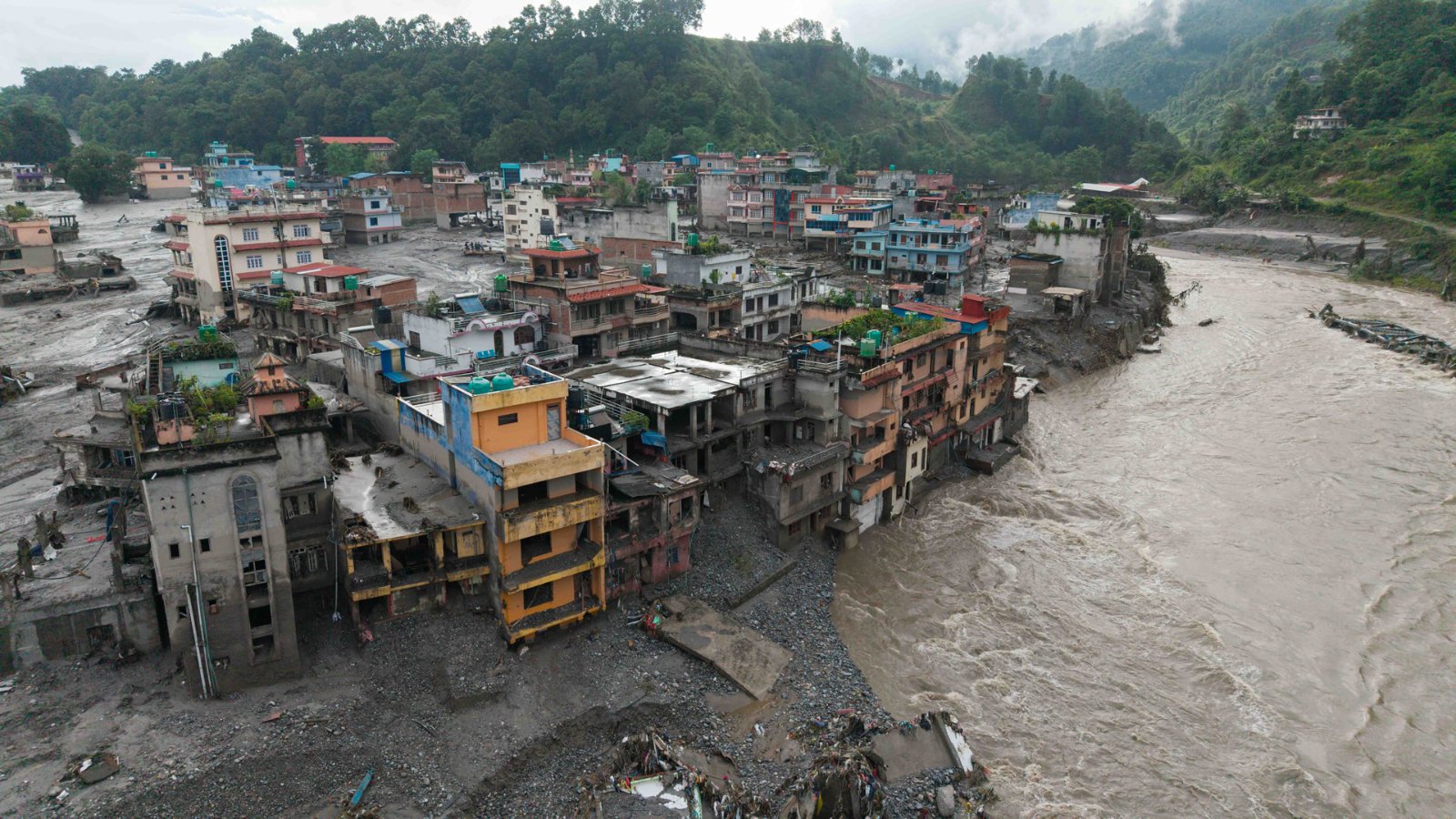
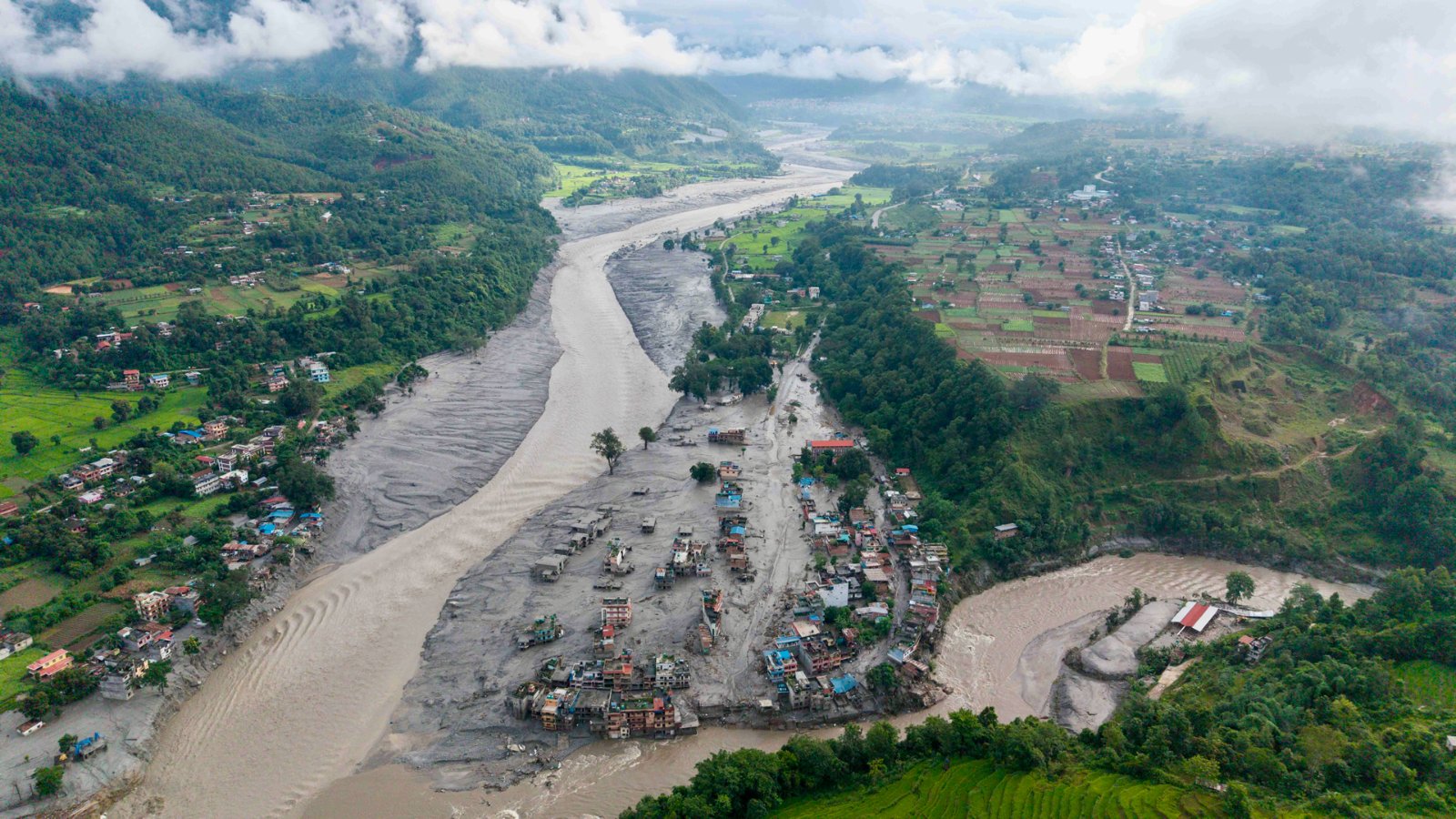
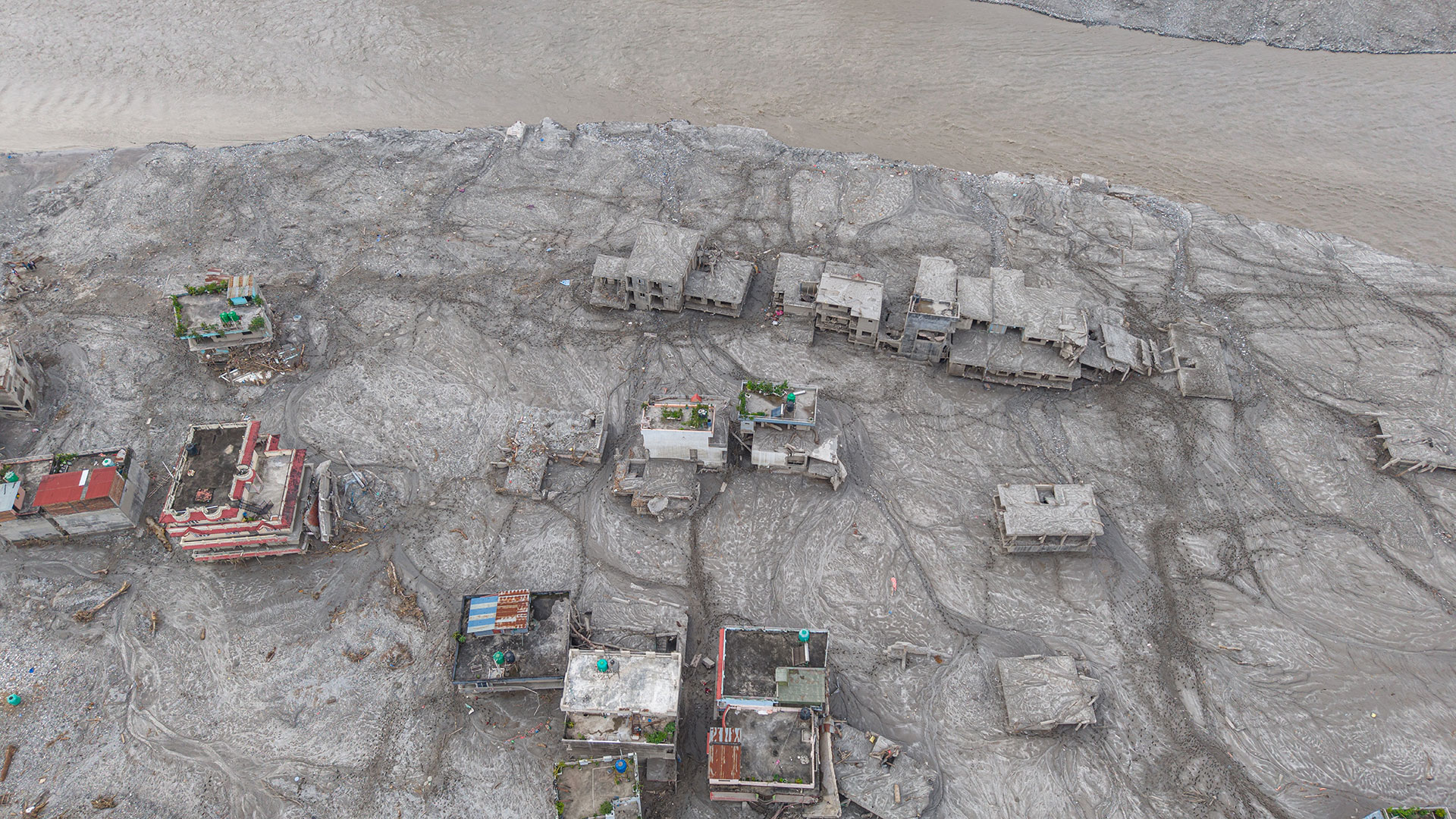
Source: Prabin Ranabhat/ Nepal Photo Library

On 26 August 2026, a glacier collapse on the Tibet–Nepal border sent a wall of ice, mud and rock into the Bhote Koshi river system.

  • The flood destroyed settlements at Timure, Rasuwagadhi and Syafrubesi, then moved downstream along the Bhote Koshi–Trishuli corridor.
  • Rasuwa district was worst affected, with further damage in Nuwakot and Dhading.
  • Houses and whole settlements were washed away. Roads, bridges, hydropower facilities and other critical infrastructure sustained major damage.

Confirmed figures (as of 13 September 2026)

  • 1,388 lives lost
  • More than 5,130 people missing
  • Over 10,000 households displaced

Behind every number is a household that lost its home in minutes and had to decide what to salvage and where to spend the night.

HOW HABITAT NEPAL IS HELPING

Every flood-damaged home here is a family with nowhere safe to sleep

10,000

families are in need of emergency shelter support

20%

of affected households Habitat Nepal aims to reach

500

ESK (Emergency Shelter Kit) life-saving emergency shelter kits and transitional shelter deployed

HABITAT NEPAL'S RESPONSE

What we've done so far

Impact from Habitat Nepal's on-the-ground response, updated as work continues. Habitat Nepal's team is in Uttargaya Rural Municipality, Rasuwa and coordinating with local authorities. The first round of Emergency Shelter Kits (ESKs) was distributed on 1 September. Team B, with 450 ESKs, was dispatched on 2 September.

Emergency Shelter Kit (ESK) deployment

500

Emergency Shelter Kits
Uttargaya Gaupalika, Rasuwa

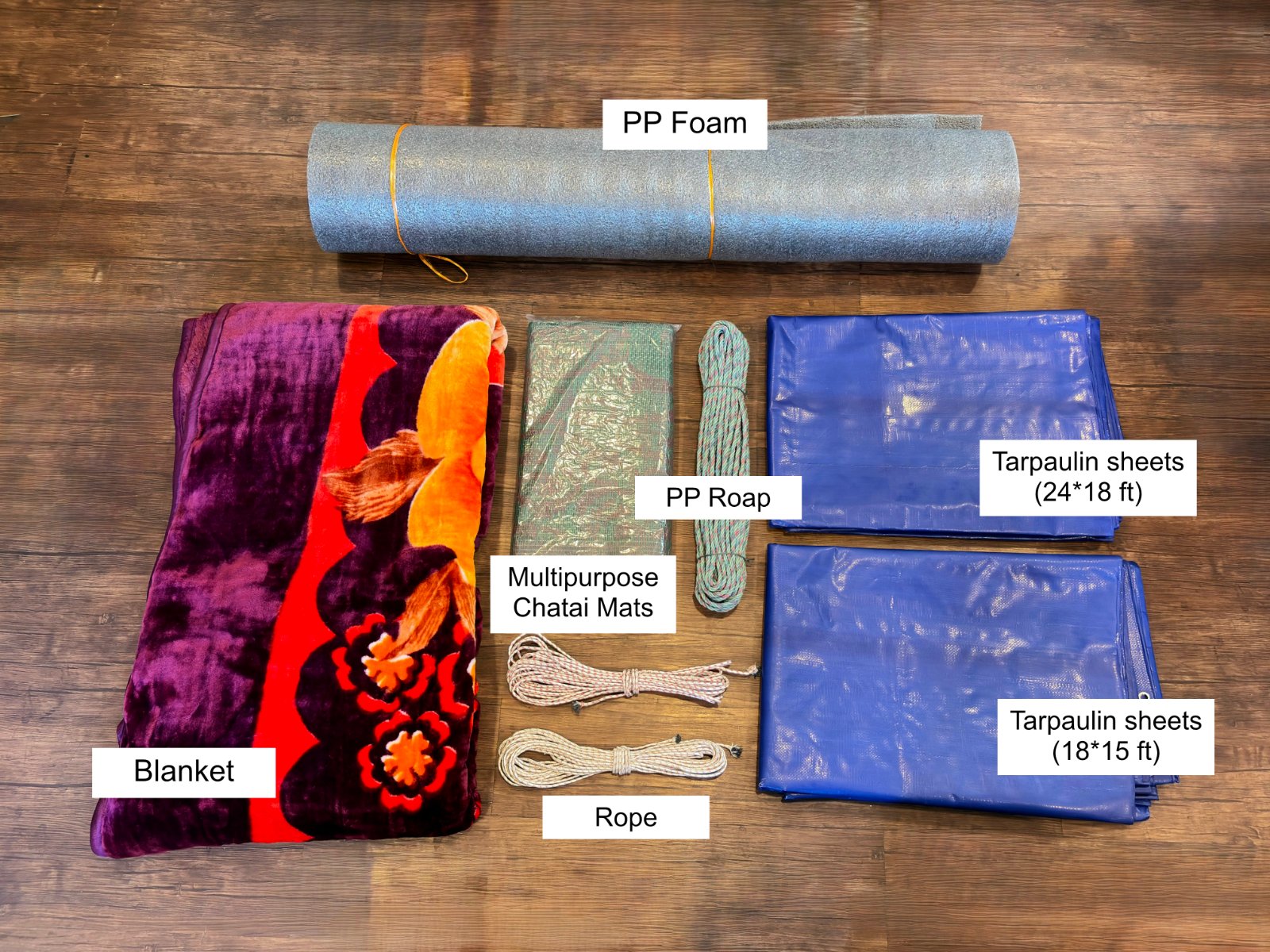
WHAT’S IN THE KIT

  • Tarpaulin sheets (18×15 ft)
  • Tarpaulin sheets (24×18 ft)
  • PP Rope (5-6 mm diameter)
  • Rope (15 m laundry rope to tie the tarpaulined tight)
  • Blanket (215 x 230 cm)
  • Multipurpose Chatai Mats  (4×5 ft)
  • PP Foam (Thickness: 12mm and 2 meter per piece)

THE PLAN

How our response unfolds

Habitat's response follows a phased path immediate shelter first, then durable recovery so support arrives when it's most useful.

Phase I - Emergency response

First 0-3 months (Sept - Nov)*

Emergency Shelter Kits (ESKs) distributed so families can make immediate repairs and put up temporary shelter while the situation stabilises.

  • Distribute Emergency Shelter Kits (ESKs) for 1000* families
  • Support local governments with needs assessment

Phase II - Transitional recovery

Early Recovery (Nov - August) 10 months*

Durable transitional shelters with basic sanitation, alongside conditional cash transfers that let families meet their own most urgent recovery needs.

  • Transitional community shelters in 3 communities
  • Transitional shelter construction using local material and local techniques for 300 families
  • Conditional Case Support – shelter repair/ rental support for 700 families
  • Support local governments with detailed damage assessment
  • Monitoring and evaluation

THE CHALLENGE

Crisis declared zones

Steep, remote terrain and damaged road access shape everything about how and how quickly shelter can reach these communities.

WITH THANKS

Collaborating partners

Organizations that have supported Habitat Nepal's flash flood response.

IMPACT MAP

Path of the catastrophic floods

The floods entered Nepal via the Lhende Khola, a Bhotekoshi tributary on the Tibet border, then surged south through Timure and Syabrubesi into the Trishuli river system reaching Nuwakot, Dhading, and Chitwan as it moved further downstream, leaving a trail of destruction.

ON THE GROUND

The scale of the impact

A closer look at what communities across the affected region are facing.

BEFORE/ AFTER IMAGERY

Satellite view of affected areas

*Drag the divider to compare two images side by side*

This page will keep updating as we respond to the situation.

As search and rescue continues and Habitat Nepal's response develops, this page will be updated with new photos, response details, and figures as they're confirmed. Check back, or reach out directly with questions.

© 2026 Habitat for Humanity Nepal