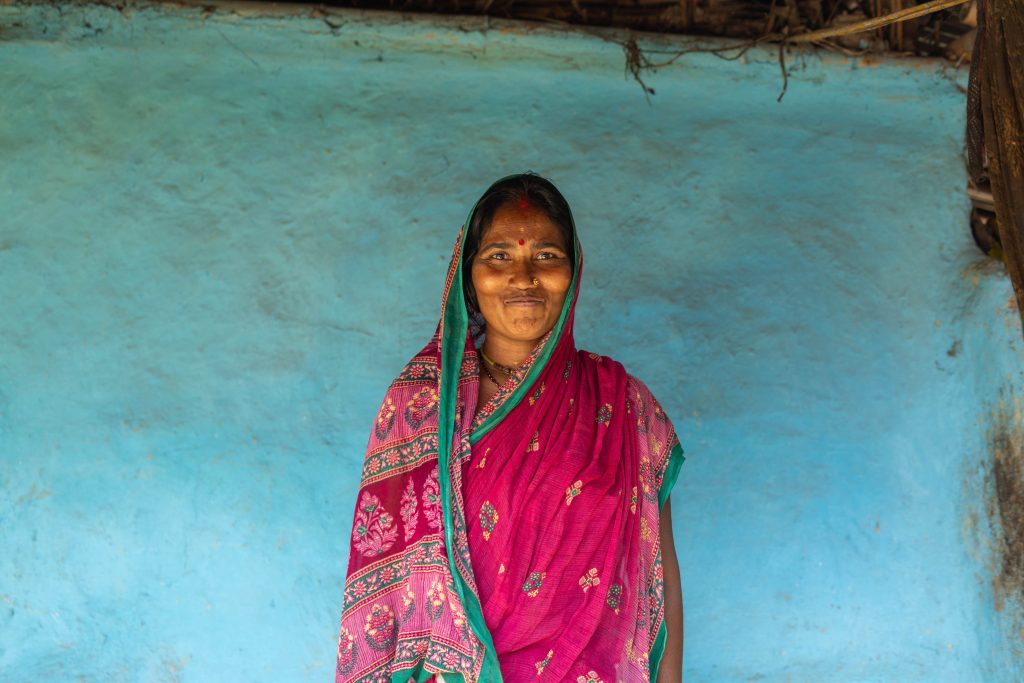
In Saptari, a family bought land for a home and built a toilet instead. It was not a compromise. It was a decision about what safety means.
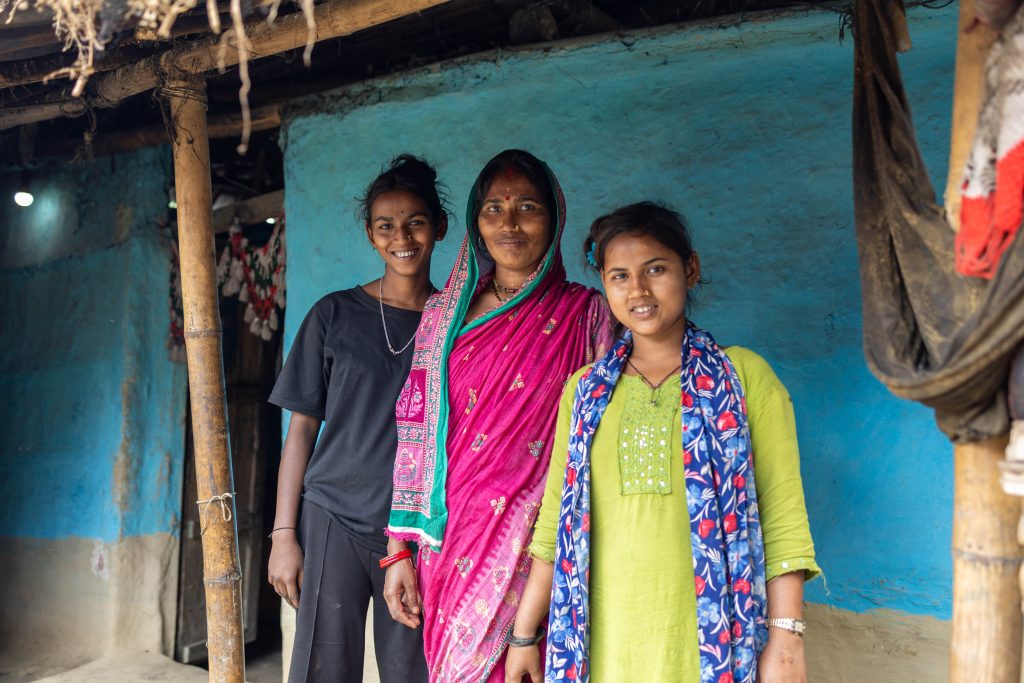
In Birpur Tole, Saptari, the plot of land Sarita Devi Ram’s family purchased was meant for a house. They built a toilet instead.
Sarita’s, 40, family, home, which consists of her husband and eldest son who work as migrant laborers in India, is sustained by remittances, though not comfortably. She manages a multigenerational family: her daughter-in-law Renuka, a two-month-old grandson named Dev, and two teenage daughters, Manisha and Kiran. Their current home sits on 50 sq.mt. of land which is barely enough for the structure itself, with nothing left for a toilet.
For years, like most families in Chinnamasta Rural Municipality, they practiced open defecation. The routine was normalized, but it was never safe, especially for women and girls, who had to wait for darkness or predawn hours for any privacy, each trip carrying its own risk. Then neighboring families closed off the open spaces the community had quietly shared. What had been unspoken became explicit and Sarita’s family was excluded.
"It was humiliating. Our daughters and daughter-in-law were especially vulnerable."
Sarita
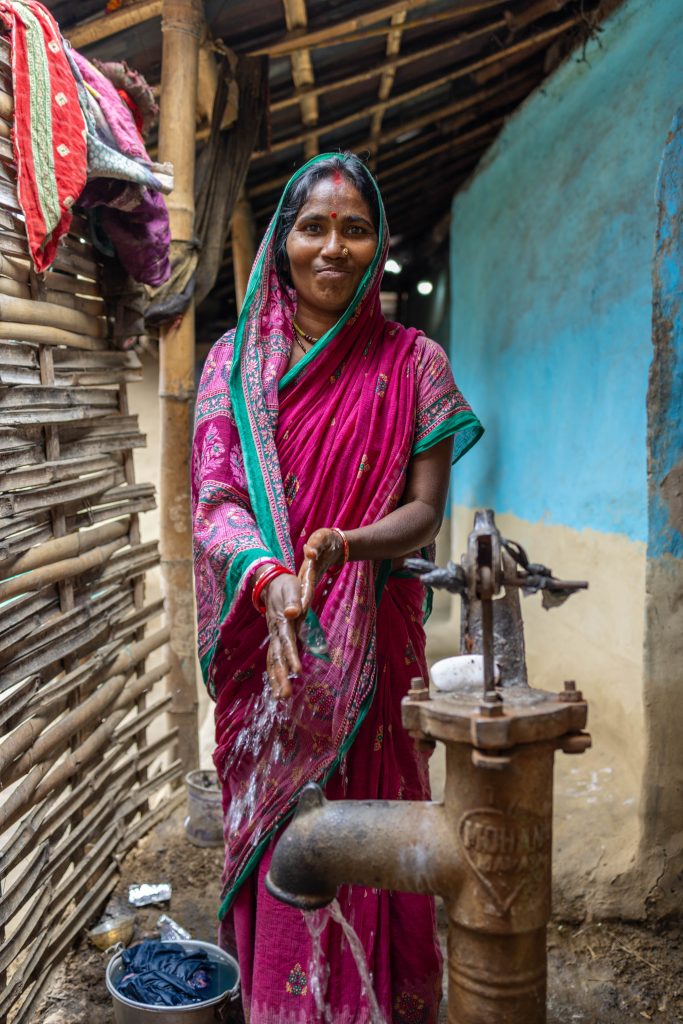
With a newborn in the house, hygiene became urgent. The family pooled savings and remittances to buy a small plot of land, originally intended for future construction. The toilet came first.
"The house can be built later. But our girls needed safety today."
Sarita
The toilet is a 10 minute walk from their home. In rain and at night, it is inconvenient. They use it anyway.
Sarita’s story makes visible something that housing data rarely captures: adequate housing is not only about walls and a roof. For women and girls in communities like Birpur Tole, it is about whether they can meet a basic biological need without fear. When that goes unmet, it shapes health, education, mobility, and safety in ways that ripple through a household for years. The family’s ability to purchase even a small parcel of land and to use it for sanitation before shelter shows how tightly land access and housing outcomes are bound together. Remove that option, and the family had no path forward at all.
As Habitat for Humanity marks its 50th anniversary with the Let’s Open the Door campaign, Sarita’s story sits at the heart of what that means. Opening the door to decent housing looks different in every community. In Birpur Tole, it began with a structure that had no door, just four walls, a roof, and the quiet knowledge that the women in this family no longer had to wait for dark to feel safe.
The house will come. For now, the toilet stands.