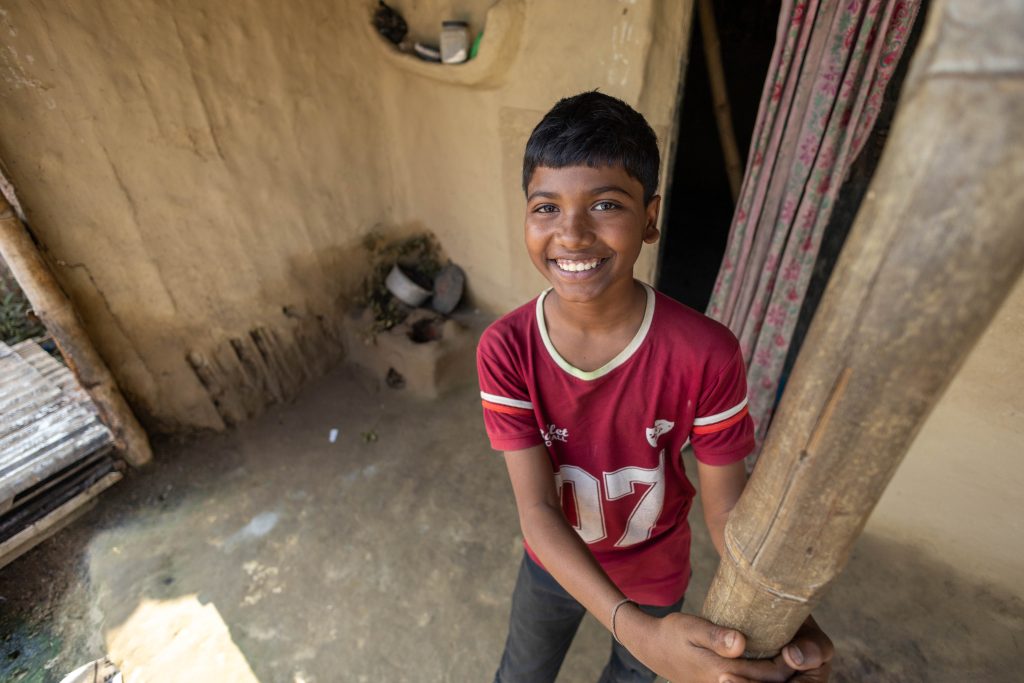
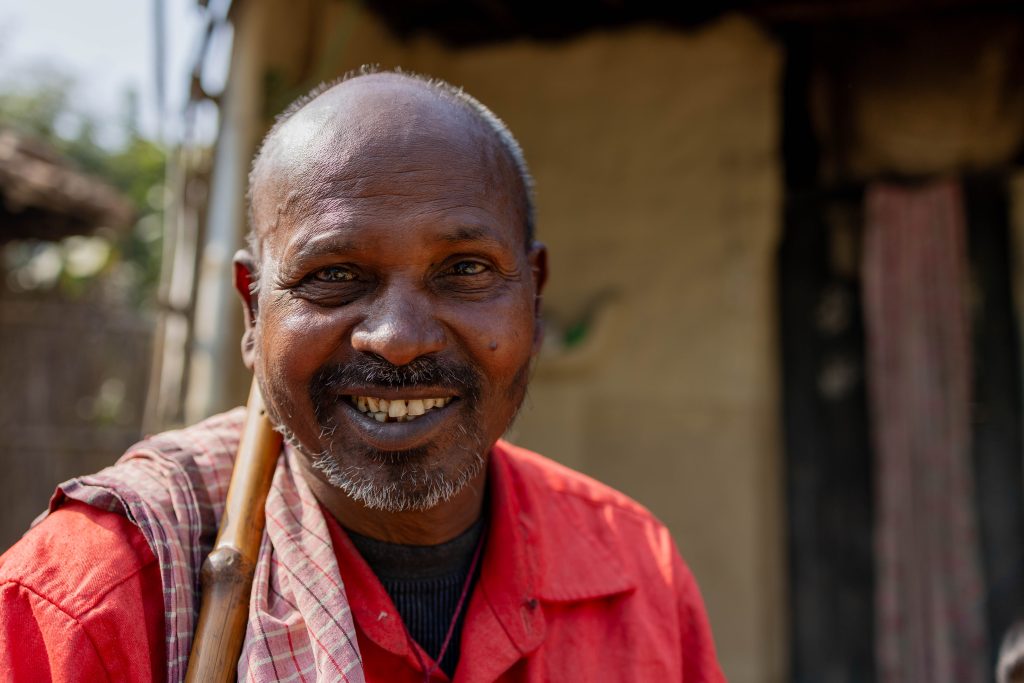
Bhagwati Devi Ram, 56, wakes before the rest of the house. There is water to fetch, a meal to prepare, a husband who needs help moving, and a son who needs to get to school. By the time most people start their day, she has already carried more than most will carry all week. She is the only earner in the household, and she has been doing this for 12 years, since a workplace collapse left her husband, Bhogi, 58, with left-side paralysis and removed the family’s primary income overnight.
Bhogi had spent his younger years in hard labour. He raised a child alone after losing his first wife, remarried, and eventually migrated to Saudi Arabia in search of steadier income, working as a construction mason for two years before he was forced home. Shortly after returning to local work, the accident happened. Despite visiting multiple healthcare facilities and exhausting whatever savings the family had, rehabilitation remained out of reach. Bhogi has not worked since.
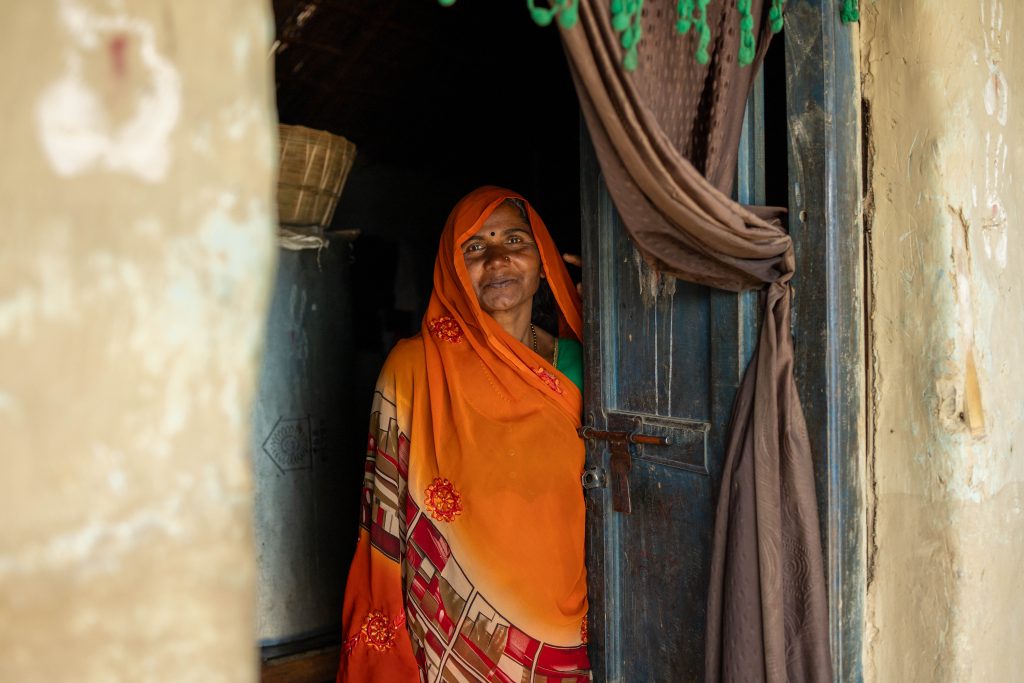
Bhagwati stepped into that space without ceremony. Her work as a domestic help and caregiving in neighbours’ homes is paid mostly in food grains rather than cash. It keeps the family fed. However, it does not cover healthcare, school fees, or repairs. Their son Suraj, 10, attends a government school when he can, but caregiving responsibilities pull him home often enough that his continued education is not guaranteed.
The family’s old house compounded every difficulty. Fetching water meant a long walk each day, which Bhagwati couldn’t spare. The absence of a proper toilet made privacy and hygiene a daily indignity, particularly for Bhogi, whose mobility made outdoor sanitation not just inconvenient but unsafe. Without a stable, level floor, moving around the house independently was beyond him. The structure offered shelter in the loosest sense. It offered very little else.
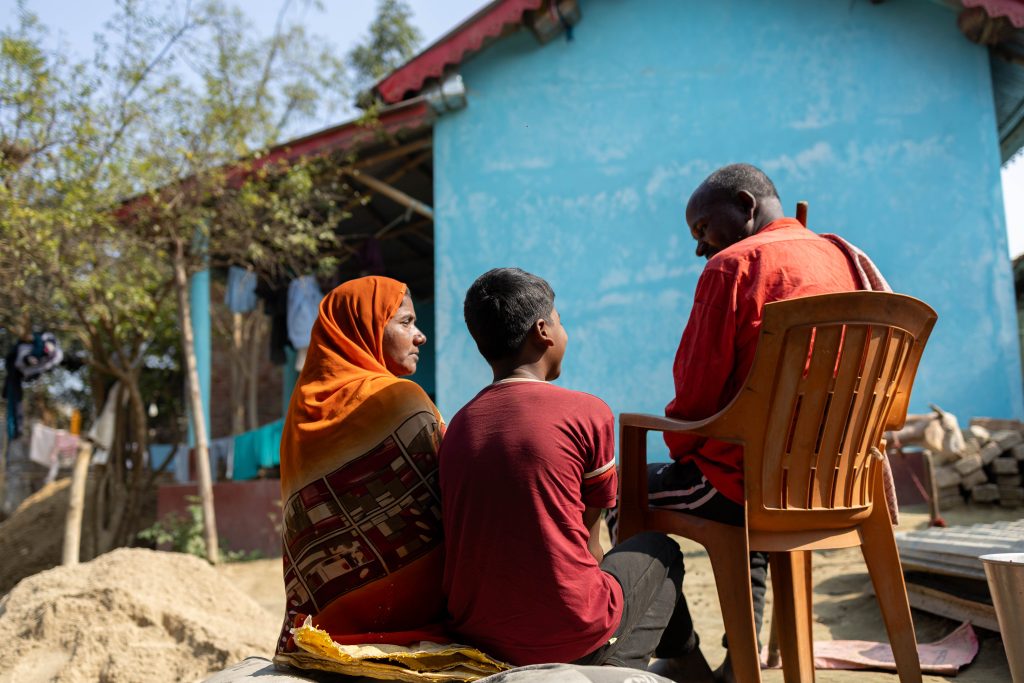
Their new home, supported by Habitat for Humanity Nepal in collaboration with Mukhiyapatti Musarniya Rural Municipality, Ratyauli Yuwa Club, and with the generous support of Stichting de Waterlander, was built with these realities in mind. What emerged was a two-room home that cost NPR 638,000 (EUR 3,636) and built with cement bamboo frame technology, or CBFT, a treated bamboo structure with a concrete and block foundation raised two to three feet above flood level, cement-plastered walls, and a CGI roof. A tap connected to a clean water source now sits just outside the door, and the hours Bhagwati once spent fetching water are hours she has back. A proper toilet, accessible and close to the house, has restored a basic measure of dignity to Bhogi’s daily life. The level floor means he can shift and move with some independence. It is a small change that quietly reshapes what a day feels like. Suraj has a dry, stable space to study in the evenings. Whether he stays in school will depend on things still outside this family’s control, but their home is no longer one of the forces working against him.
“Earlier, everything felt like a burden,” Bhagwati says. “Now, at least inside these walls, things are easier.” Bhogi, who has not worked in 12 years, straightens a little when he talks about the house. “I could not build it myself,” he says. “But it is ours.”
Across Nepal, millions of families live without the foundation that adequate housing provides, navigating poverty, disability, and instability without a stable place to stand. Habitat Nepal’s work is rooted in the belief that a safe home is where dignity begins. That foundation begins with a home.
Let’s Open the Door to such foundations.