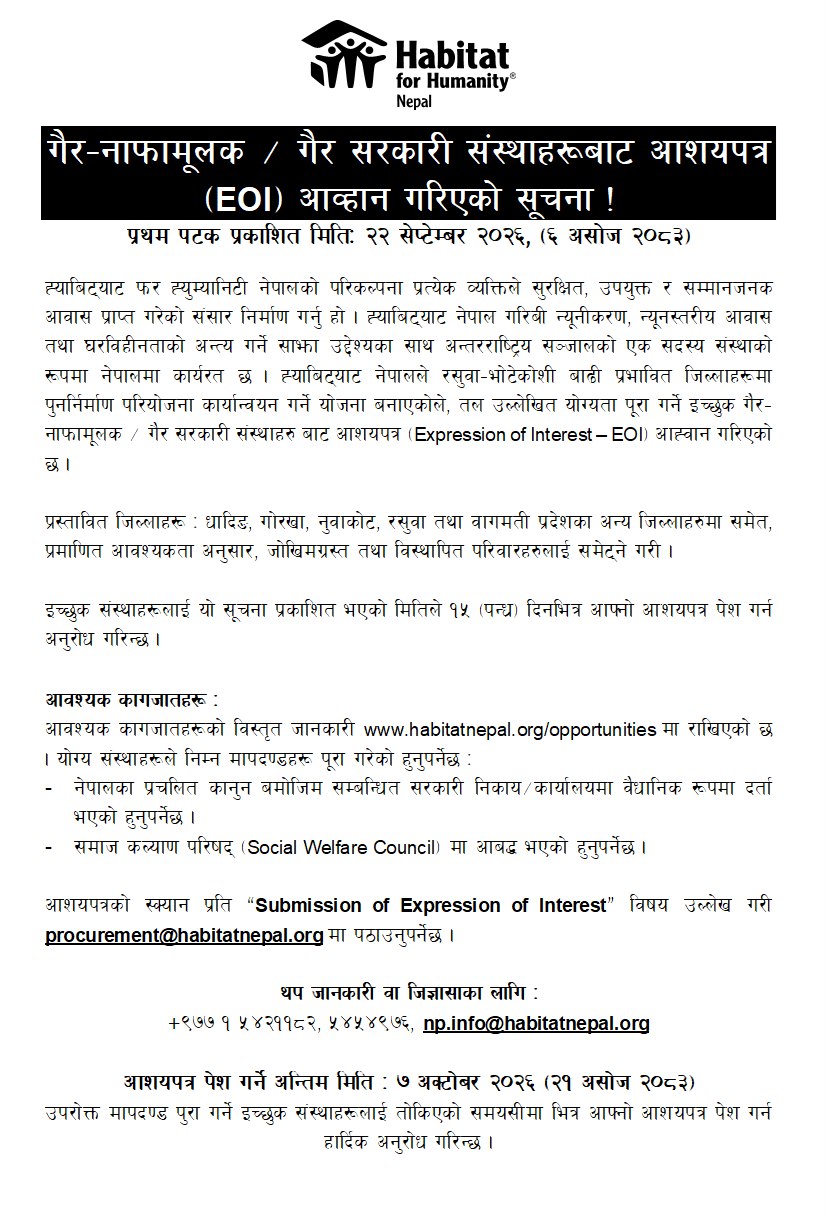
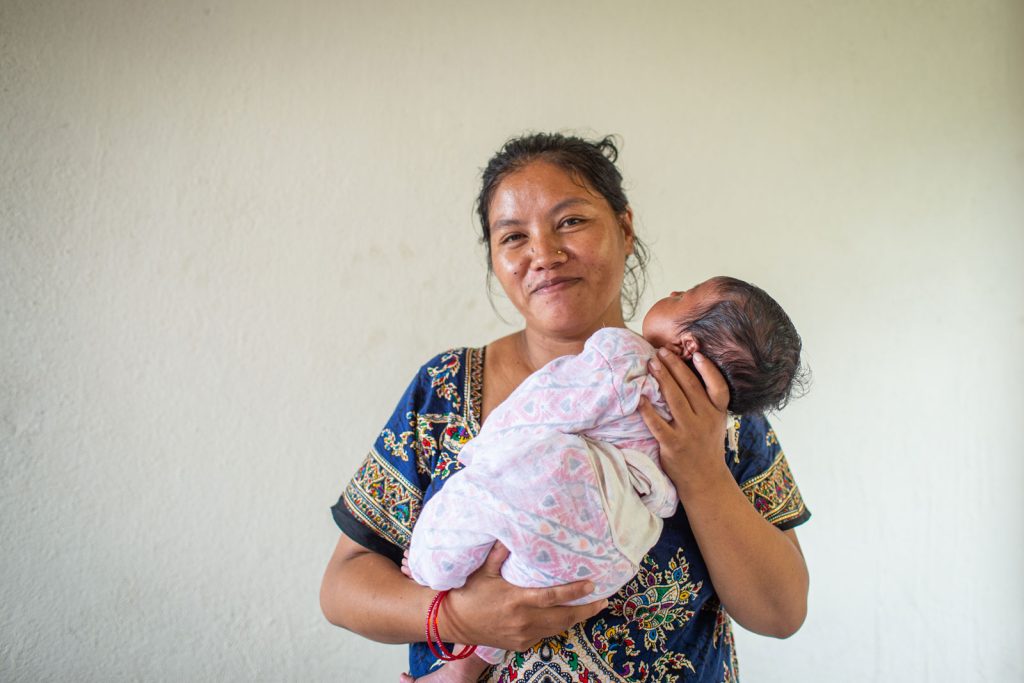
Parbati, 33, was in Naubise when the water came. In minutes, the place she knew was covered in debris. She had given birth two weeks earlier. Carrying her newborn son, she moved as fast as she could toward higher ground, alone, with no family in sight, fearing the worst for all of them. “I didn’t think the water would come so high, so I watched for a bit,” she says. “But when I saw danger, I took my son and ran.”
Her daughter was at school. She didn’t know where the rest of her family was. She kept looking for them even as she ran. It wasn’t until she reached higher and saw her mother-in-law’s face that she felt any relief and only then did she learn most of the family had made it. Her elder sister is still missing.
Now at a holding center in Uttargaya-4, Rasuwa, Parbati is caring for a newborn and her daughter while recovering from childbirth. “It’s challenging, but I guess I can’t complain, we’re okay,” she says. She’s grateful the regular medical check-ups on her and her son’s health.
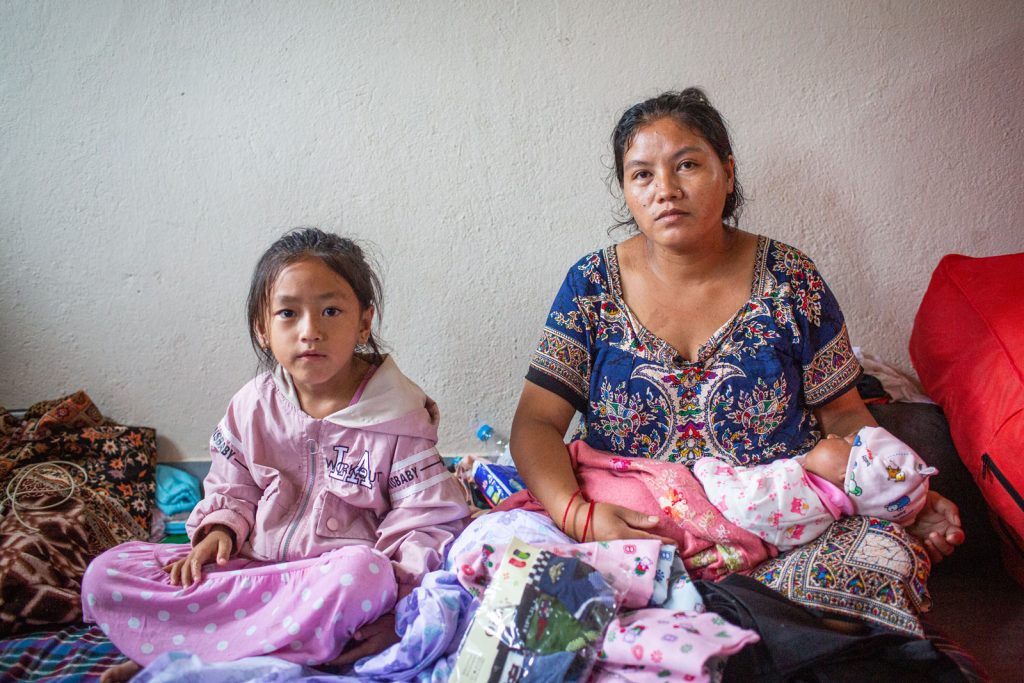
For Naubise, this is not the first time. The village was destroyed in the 2015 earthquake. It rebuilt as some families pooled their own resources, others helped by neighbors who had a little more to give. A 2017 flood struck the rebuilt village of 72 houses. With support from CSRC, which connected residents to Nepal’s Reconstruction Authority and helped fund new land, families relocated to Naubise and Bogatitar, sites the experts had identified as safe. A 2021 landslide tested that safety. This year’s flood has damaged the village again.
Four disasters in eleven years. Each time, Naubise has had to decide again what safety means, and rebuild toward it.