When Rita Chaudhary was ten years old, she should have been carrying schoolbooks. Instead, she carried the burden of servitude.
Born into a former Kamaiya family in western Nepal, Rita grew up in a system where poverty and bondage passed from one generation to the next. Her parents had lived as Kamaiyas, bonded laborers tied to landlords and, while still a child, Rita became a Kamlari. She was sent to work in a landlord’s home in Mahendranagar, separated from the education, security and freedom that every child deserves.
“I suffered greatly as a Kamlari,” Rita recalls. “Even my uncle did not allow me to go to school, and I ended up becoming a Kamlari.”
Her childhood was spent working for others. The classroom remained beyond her reach, and the future she might have imagined for herself was decided by poverty and a deeply entrenched system of exploitation.
For generations, Tharu girls in western Nepal, some reportedly as young as five, were sent into domestic servitude in the homes of wealthy landowners. Although Nepal eventually abolished the Kamaiya and Kamlari systems in 2000 and 2006 respectively, legal freedom did not immediately restore what families had lost. Many were released from bondage only to find themselves homeless, landless and without reliable livelihoods. Some were evicted by former landlords, while others received land that was remote or difficult to cultivate.
Rita and her family faced this painful reality. After being freed, they lived near a forest, without a safe and permanent home. The government later provided them with a small plot of land through its rehabilitation program for former Kamaiya and Kamlari families.
The land gave Rita a place to stand, but not the means to build.
With little income and no access to affordable housing finance, constructing a safe home remained beyond her reach. Rita had survived bonded labour, but even freedom could not protect her family from insecure housing, harsh weather and the daily uncertainty of not having an adequate place to call home.
Yet Rita was determined that the story inherited by her daughter would be different.
“I have shared my story with my daughter because I never want her to experience the same suffering,” she says. “Today, my daughter is pursuing a bachelor’s degree.”
In that simple statement lies an extraordinary generational transformation: a mother who was denied even a basic education now watches her daughter enter higher education. A childhood defined by servitude has given way to a future shaped by learning, choice and hope.
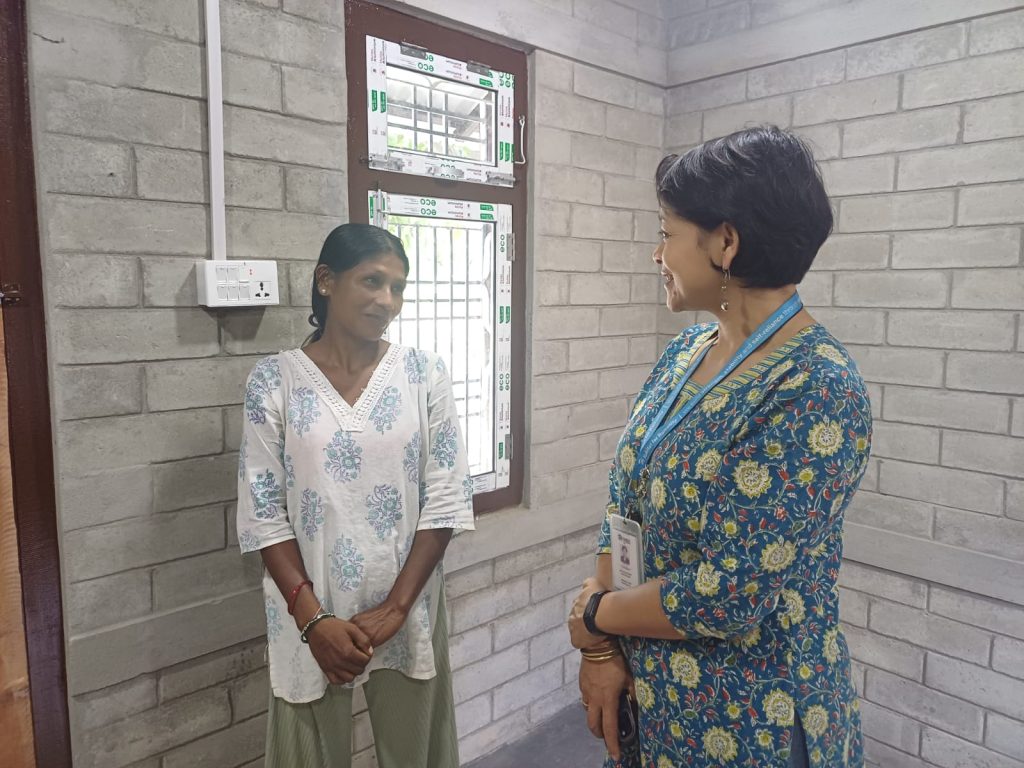
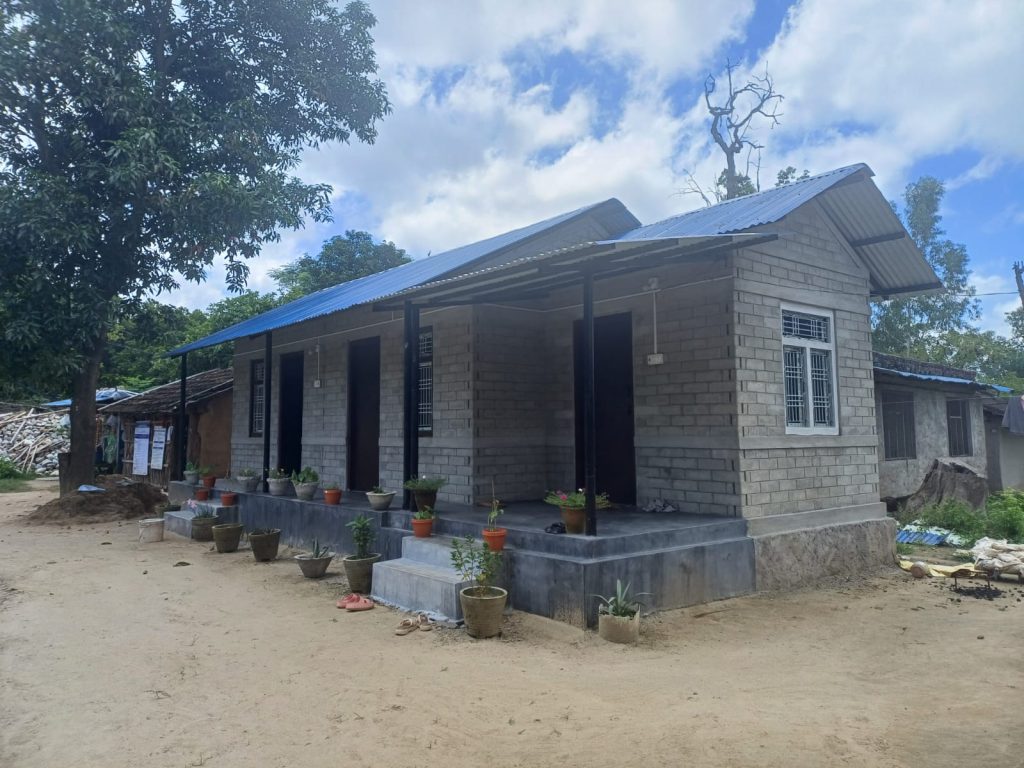
In early July 2026, another long-awaited chapter began. Rita and her family stepped into a safe, permanent home built with support from Habitat for Humanity Nepal. Approximately 85 percent of the cost was mobilized through co-financing from the provincial government, local government and community contributions.
For Rita, this is not merely a house. It is the first secure foundation her family has known. It is a place where her daughter can study without carrying the fear and deprivation that shaped her mother’s childhood. It is proof that freedom must mean more than release from bondage, it must also mean dignity, safety and the opportunity to build a future.
Rita’s courage changed the direction of one generation. But courage alone cannot build a home. It takes committed partners, responsive governments and compassionate supporters who believe that families emerging from generations of exploitation deserve more than survival.
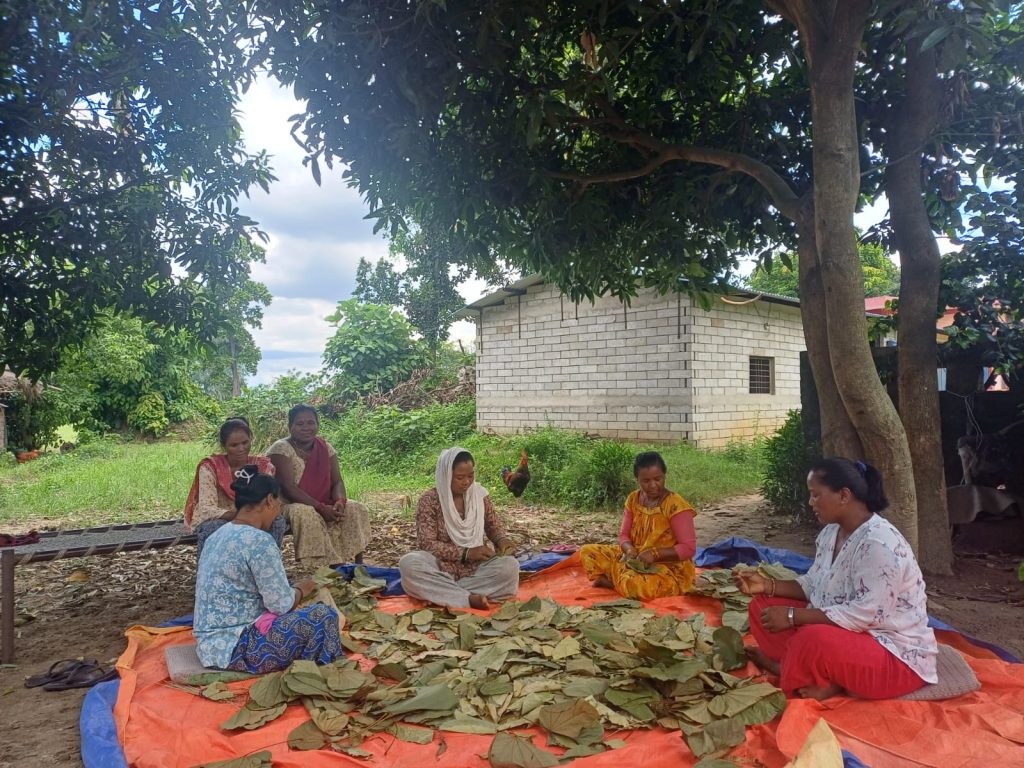
There are still families like Rita’s across Nepal, legally free, yet constrained by poverty, insecure housing and limited access to finance. Supporting adequate housing for these families does more than provide walls and a roof. It helps break an intergenerational cycle of exclusion and bondage. It gives children a safe place to learn, parents the dignity of security and entire families the foundation from which to move forward.
Rita lost her childhood to bonded labor, to slavery. She should not have had to spend the rest of her life waiting for a safe place to belong.
Today, in her early 40s, she finally has a home of her own.
With continued support from housing ecosystem actors, many more families can experience that same moment, not as an act of charity, but as the restoration of dignity and an investment in a future where no child inherits homelessness, despair, bondage or SLAVERY.