
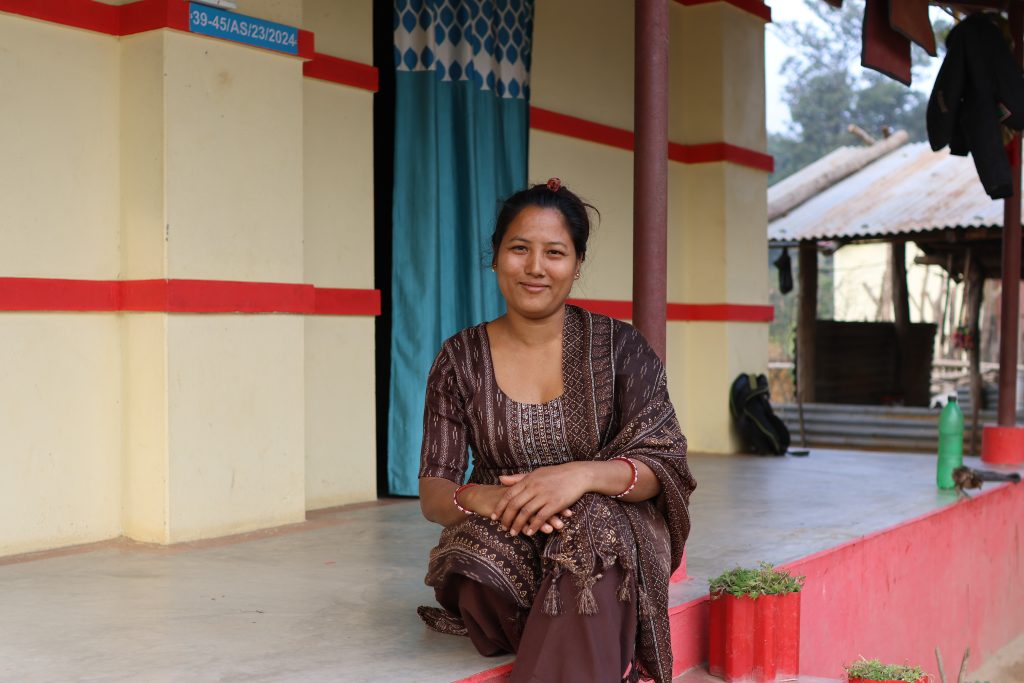
Before Rima’s family moved into their new home, maintaining the old one was a job of its own. The mud cottage they lived in demanded constant attention and money. Walls that needed upkeep, a roof that leaked through monsoon, gusts of wind strong enough that the family had to brace every storm season. “It was a bother to even get a good night’s rest,” Rima, 30, says. Every repair was a draw on whatever her husband Raju had earned hauling gravel and sand with his tractor, and whatever she had set aside from her shifts at the bread factory. The savings never quite accumulated as they went back into the house.
What that also meant, though less visible, was that their children absorbed the cost too. Sandesh,16, and his younger sister Sandhya, 13, grew up in a household where school expenses competed with structural ones. A family financially tied to maintaining a deteriorating home has little room for fees, materials, or the smaller costs that keep a child in school consistently. It is not a dramatic deprivation as it rarely announces itself that way. It is simply that when a house demands everything, everything else waits.
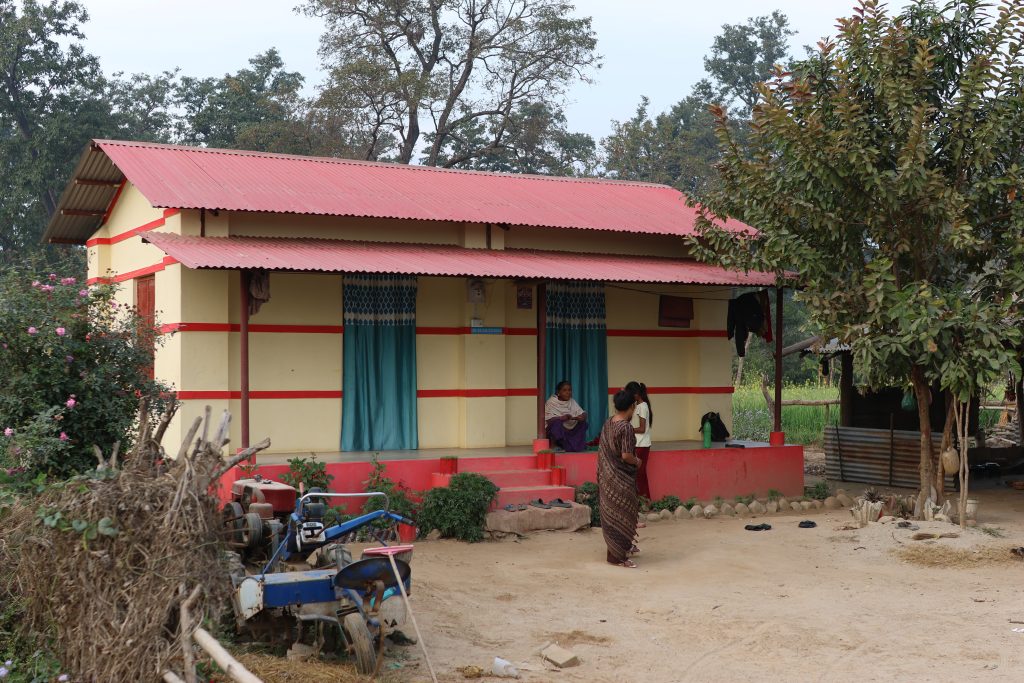
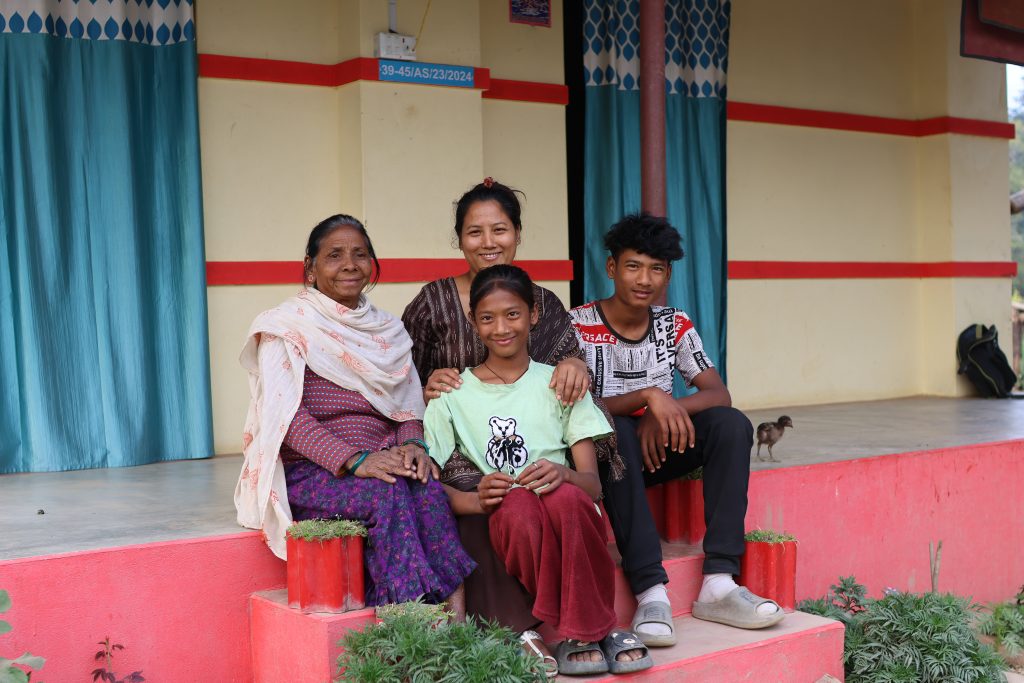
The new home, built with support from SELAVIP, changed that equation. “A home made of permanent structure is nothing like anything,” Rima says. “There’s a lot of difference between this home and our old mud house.” They have been living in it for over a year now. The roof does not leak. The walls do not need seasonal repair. Rima no longer listens to the wind with dread.
And the finances, she says, have freed up. What used to disappear into upkeep now stays. For a family of five, including Raju’s 80-year-old mother Bekhni, that shift is not abstract. It is the difference between a household that is always catching up and one that can, finally, begin to plan ahead.