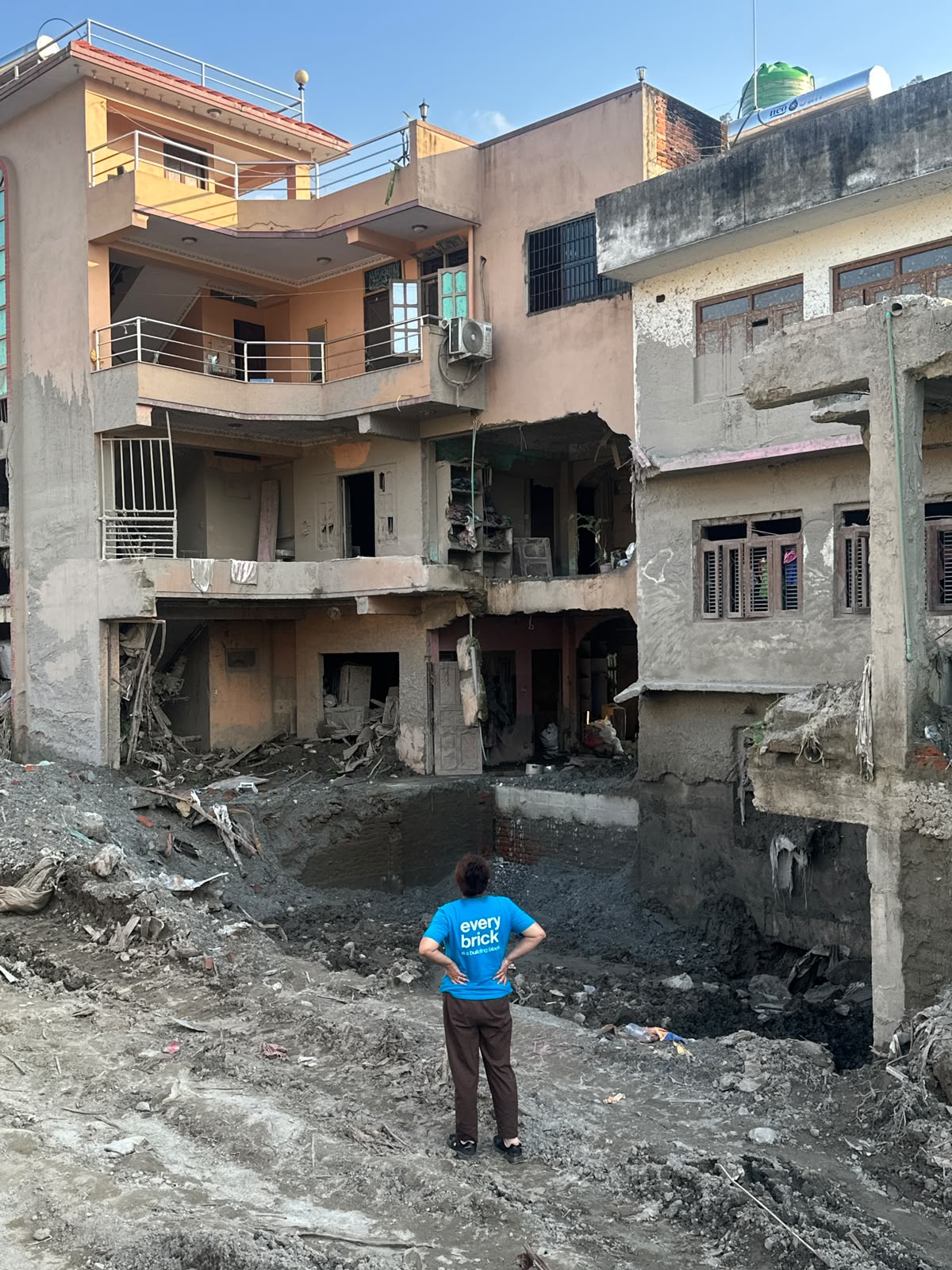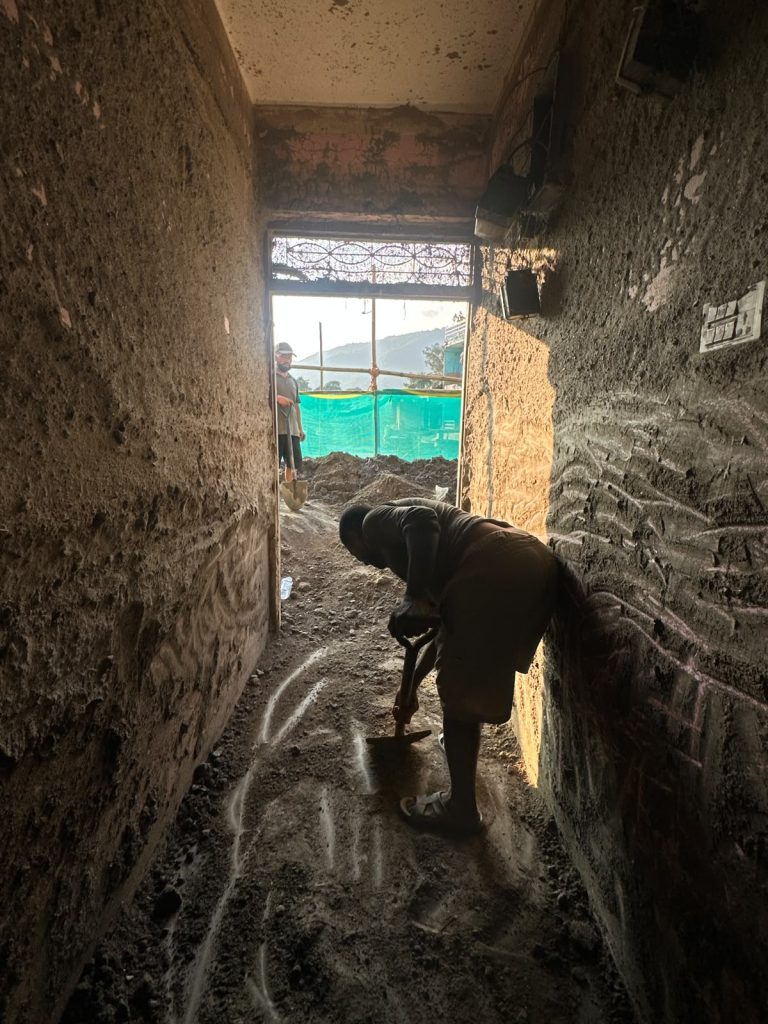
Source: Prabin Ranabhat/ Nepal Photo Library

Habitat for Humanity Nepal · Situation update

Nepal Flash Flood 2026:
our response

On 26 August a flash flood came down the Bhotekoshi and Trishuli rivers from Tibet. We activated our Humanitarian Response Team within 24 hours and are working in Rasuwa, Nuwakot, Dhading and Gorkha with local government and humanitarian partners to get families into safe shelter. This page tracks what we have delivered and what comes next.

Updated 9 October 2026

26 Aug

Flash flood strikes
2026

4

Priority districts covered: Rasuwa, Nuwakot, Dhading, Gorkha

~10,000

Households estimated to need shelter support

513

Flood-affected households received Emergency Shelter Kits (ESKs)

WHAT HAPPENED

Path of the catastrophic floods

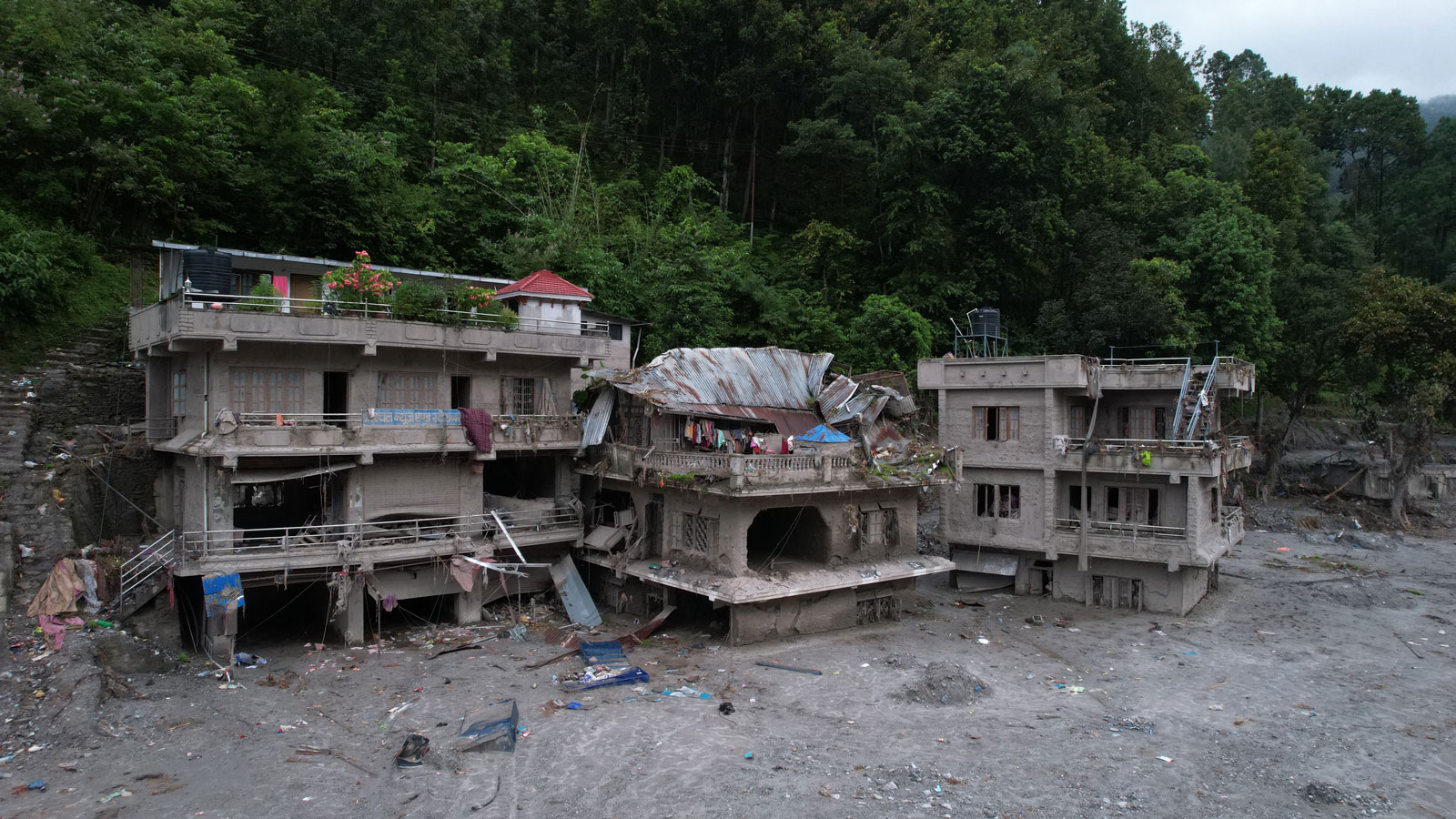
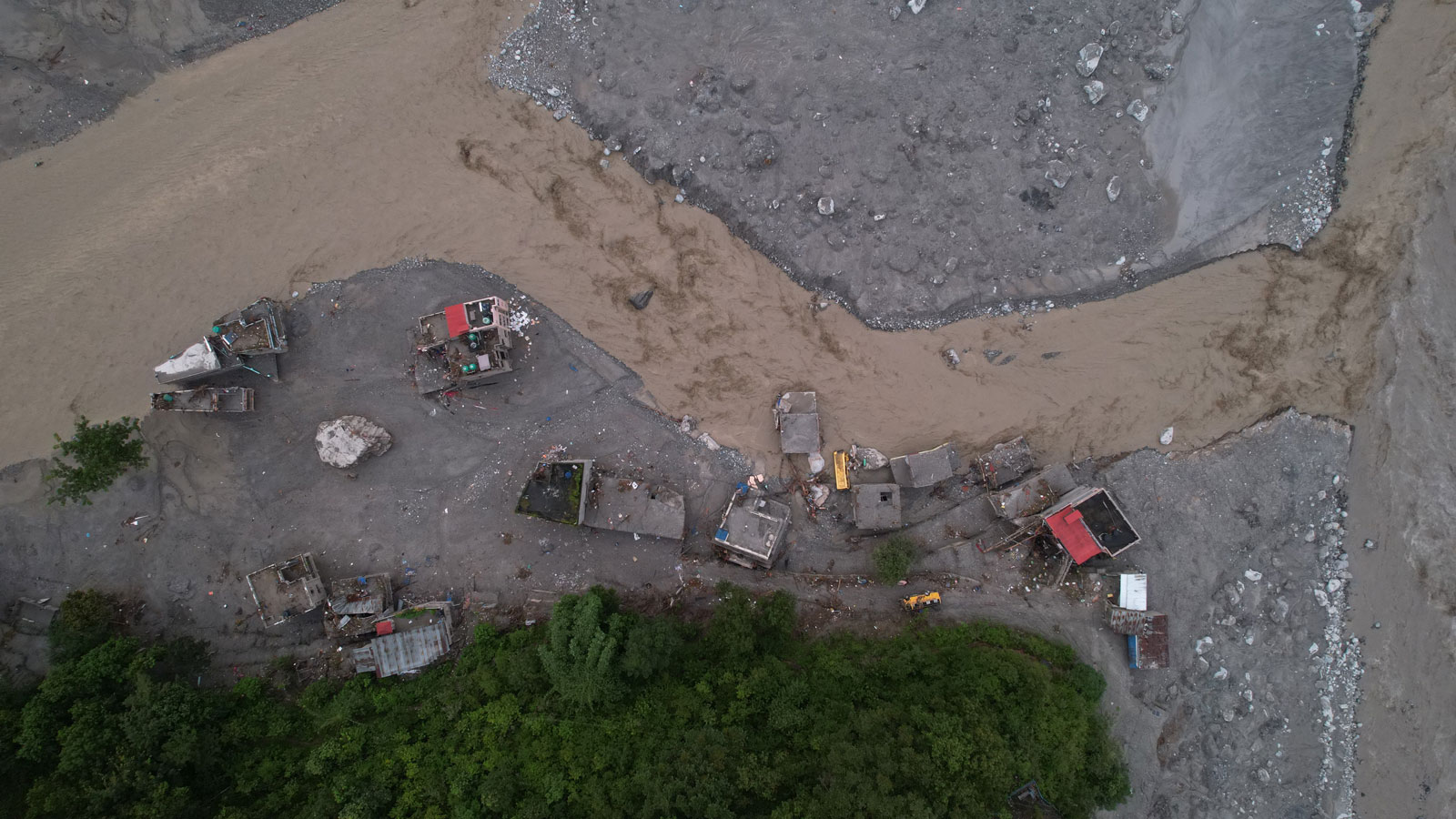
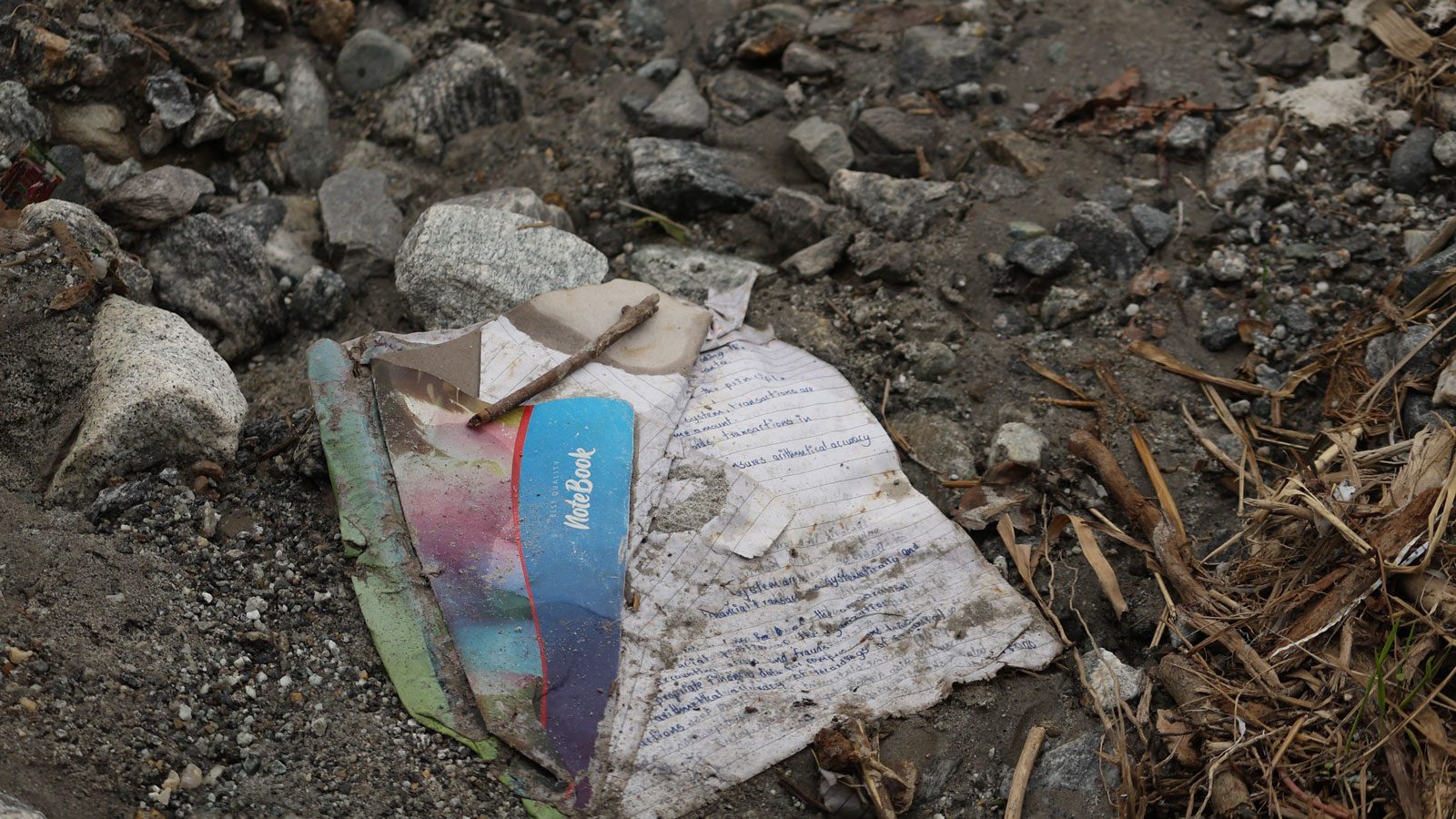
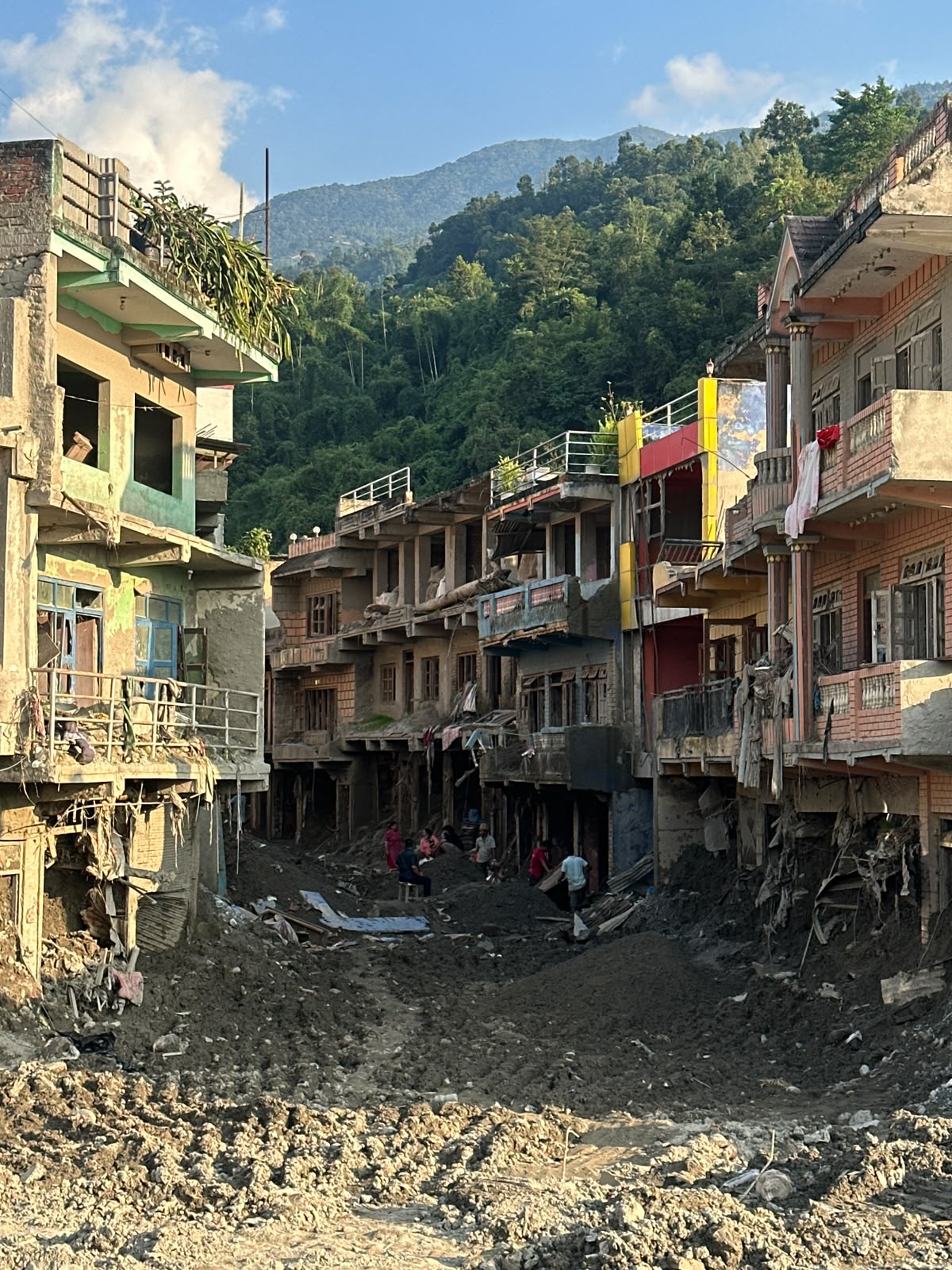
Early on 26 August 2026, a high-energy flash flood entered Nepal from Tibet. It swept down the Bhotekoshi and Trishuli river corridors, hitting Rasuwagadhi, Timure, Syafrubesi and communities further downstream in Nuwakot and Dhading.

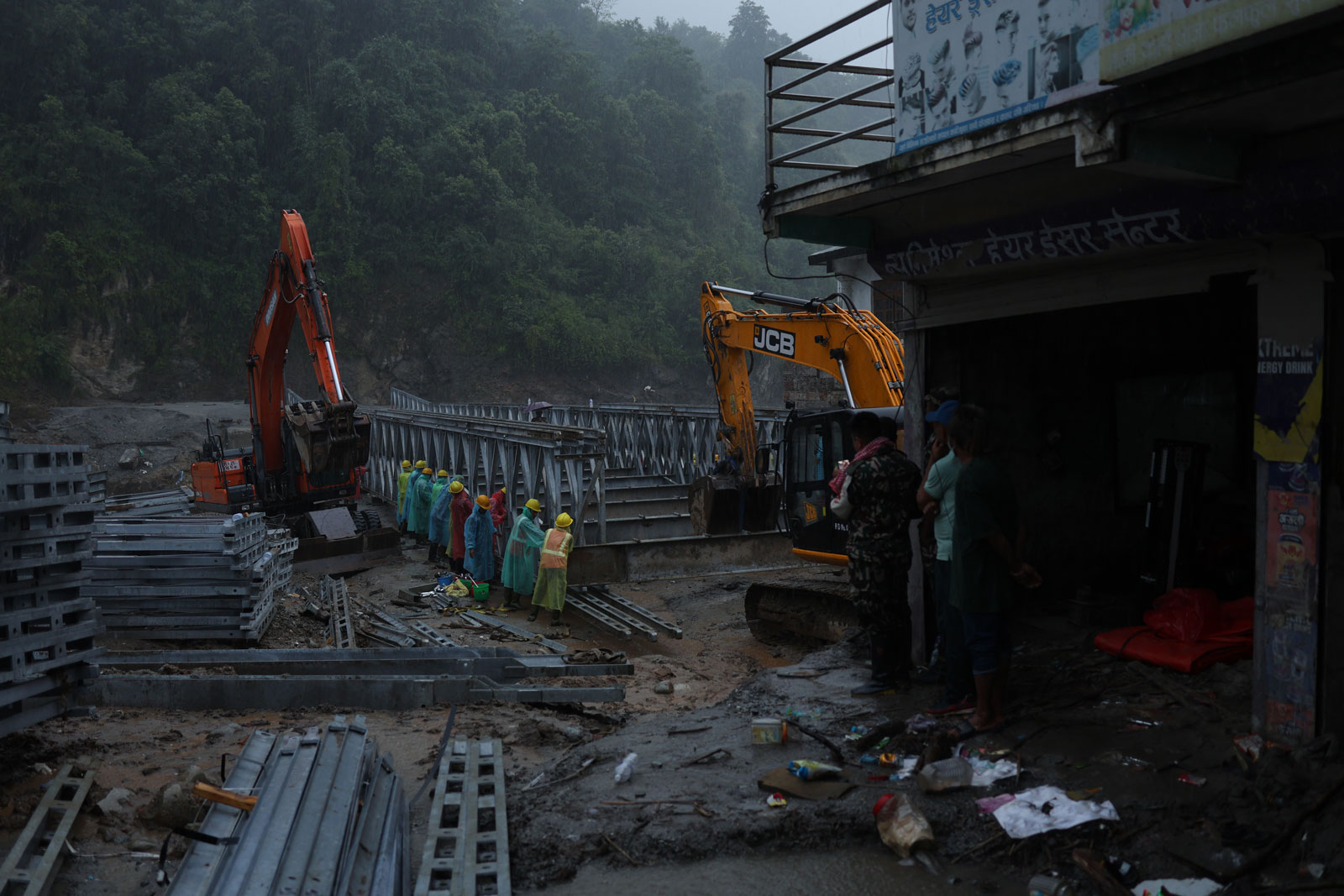
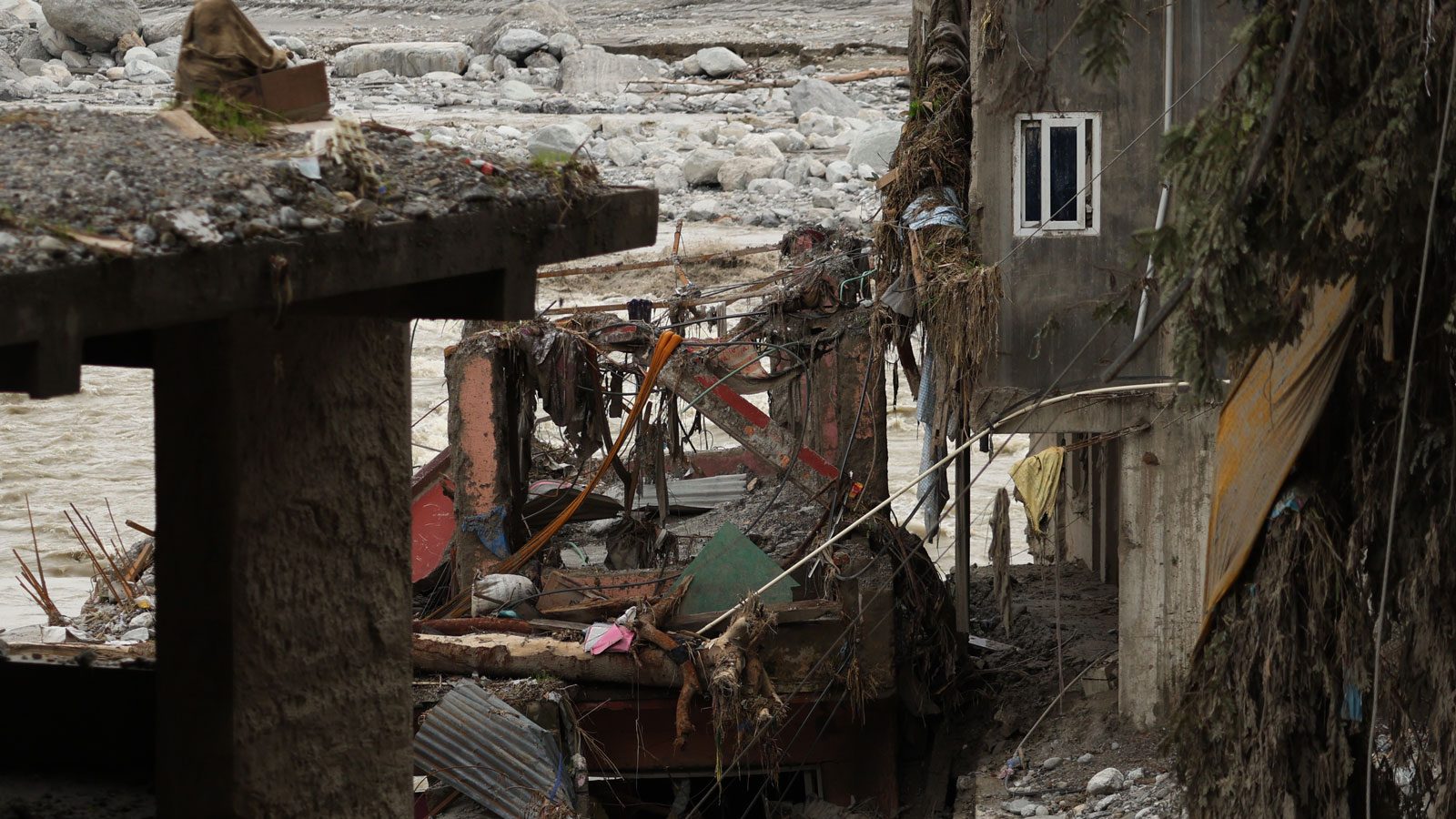
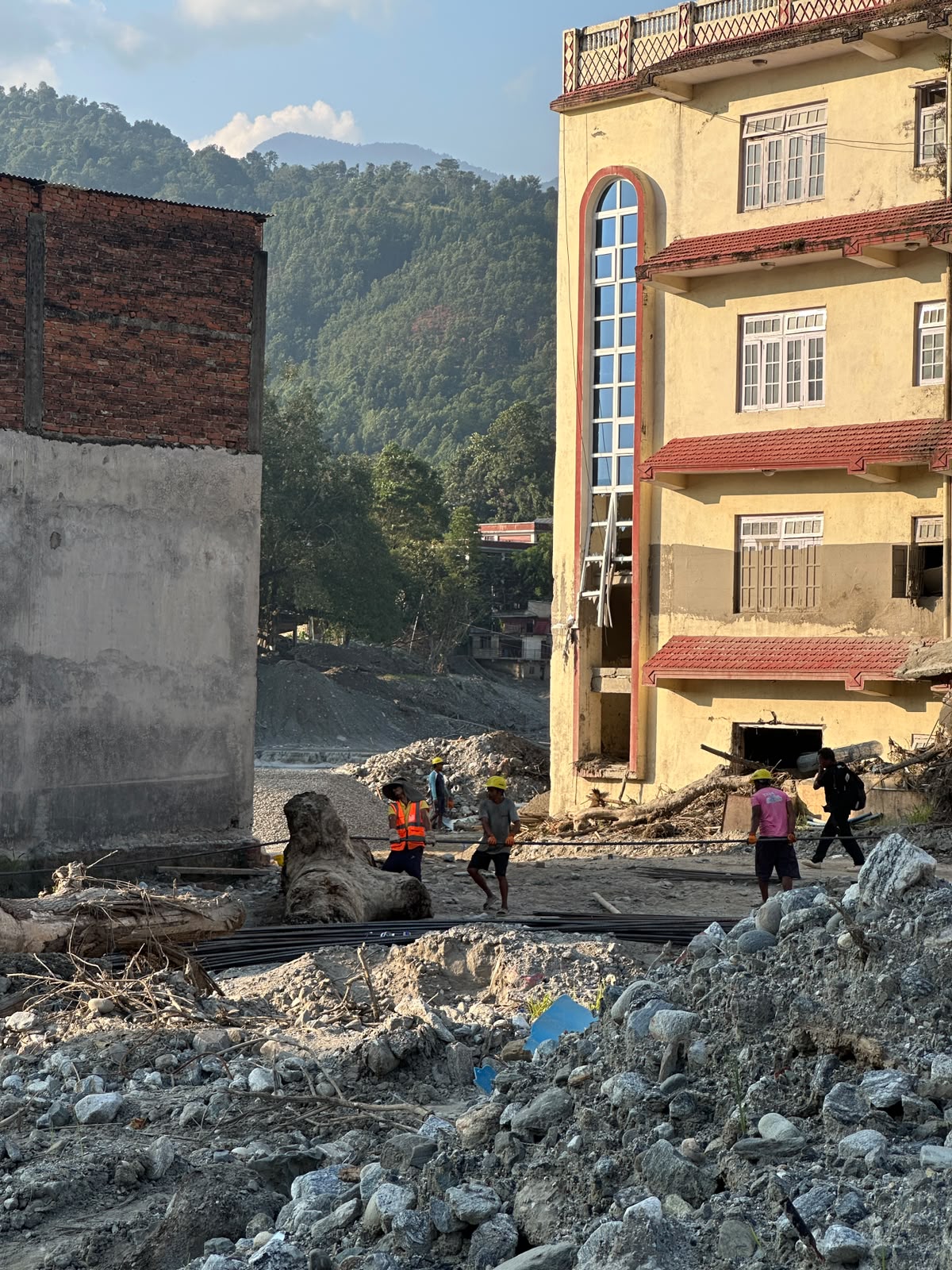
Homes, roads, bridges and hydropower plants were destroyed or badly damaged. Many families lost their homes, their clothing and everything they needed to run a household. Around 10,000 families are estimated to need emergency shelter support.

Road access into Rasuwa has been limited, and power and network outages have slowed the delivery of aid in the most remote settlements.

Rasuwa

Rasuwagadhi, Timure, Syafrubesi along the Bhotekoshi. Our main response area, with 495 ESKs distributed in Uttargaya Rural Municipality

Nuwakot

Settlements along the Trishuli downstream. Field assessment, and excavator support to Bidur Municipality for debris clearance

Dhading

Lower Trishuli corridor. Field visits and consultations with affected families and municipal authorities

Gorkha

18 ESKs distributed in Gandaki Rural Municipality

Where we are working

Where we are working: Uttargaya Rural Municipality (Rasuwa), Bidur Municipality (Nuwakot), Gandaki Rural Municipality (Gorkha)

HOW HABITAT NEPAL IS HELPING

Every flood-damaged home here is a family with nowhere safe to sleep

10,000

families are in need of emergency shelter support

20%

of affected households Habitat Nepal aims to reach

513

households received Emergency Shelter Kits, giving up to 2,000 people immediate shelter protection*

RESPONSE TIMELINE

From alert to shelter

  • 26 Aug: Flash flood strikes

    A glacial flood enters Nepal from Tibet along the Bhotekoshi–Trishuli river system.

  • 27 Aug: Humanitarian Response Team activated

    We activate our response team within 24 hours and begin assessments with authorities and partners.

  • 30 Aug: First Emergency Shelter Kits shipped

    The first deployment leaves for Rasuwa. 495 kits are ready.

     
  • 18 Sept: Additional ESKs deployed in Gorkha

    Additional 18 ESKs to Gandaki Municipality in Gorkha.

  • 29 Sept: Transitional shelter consultation and design draft

    Coordination with DUDBC and Nepal Shelter cluster for transitional shelter design

HABITAT NEPAL'S RESPONSE

From emergency to rebuilding

We are working in phases so that families get cover now, help to repair or rebuild safely next, and support for a lasting home after that.

PHASE 1

Emergency response
First 0-3 months (Sept - Nov)*

Emergency Shelter Kits (ESKs) are distributed so families can make immediate repairs and put up temporary shelter while the situation stabilises.

  • 513 flood-affected households received Emergency Shelter Kits (ESKs) 
  • Supported household verification, community consultation and shelter-needs analysis with local governments

PHASE 2

Transitional recovery
Early Recovery (Oct - August) 10 months*

Durable transitional shelters with basic sanitation, alongside conditional cash transfers that let families meet their own most urgent recovery needs.

  • Transitional community shelters in 3 communities
  • Transitional shelter construction using local material and local techniques for 300 families
  • Conditional Cash Support – shelter repair/ rental support for 700 families
  • Support local governments with detailed damage assessment
  • Monitoring and evaluation

Emergency Shelter Kit (ESK) deployment

Uttargaya Gaupalika, Rasuwa

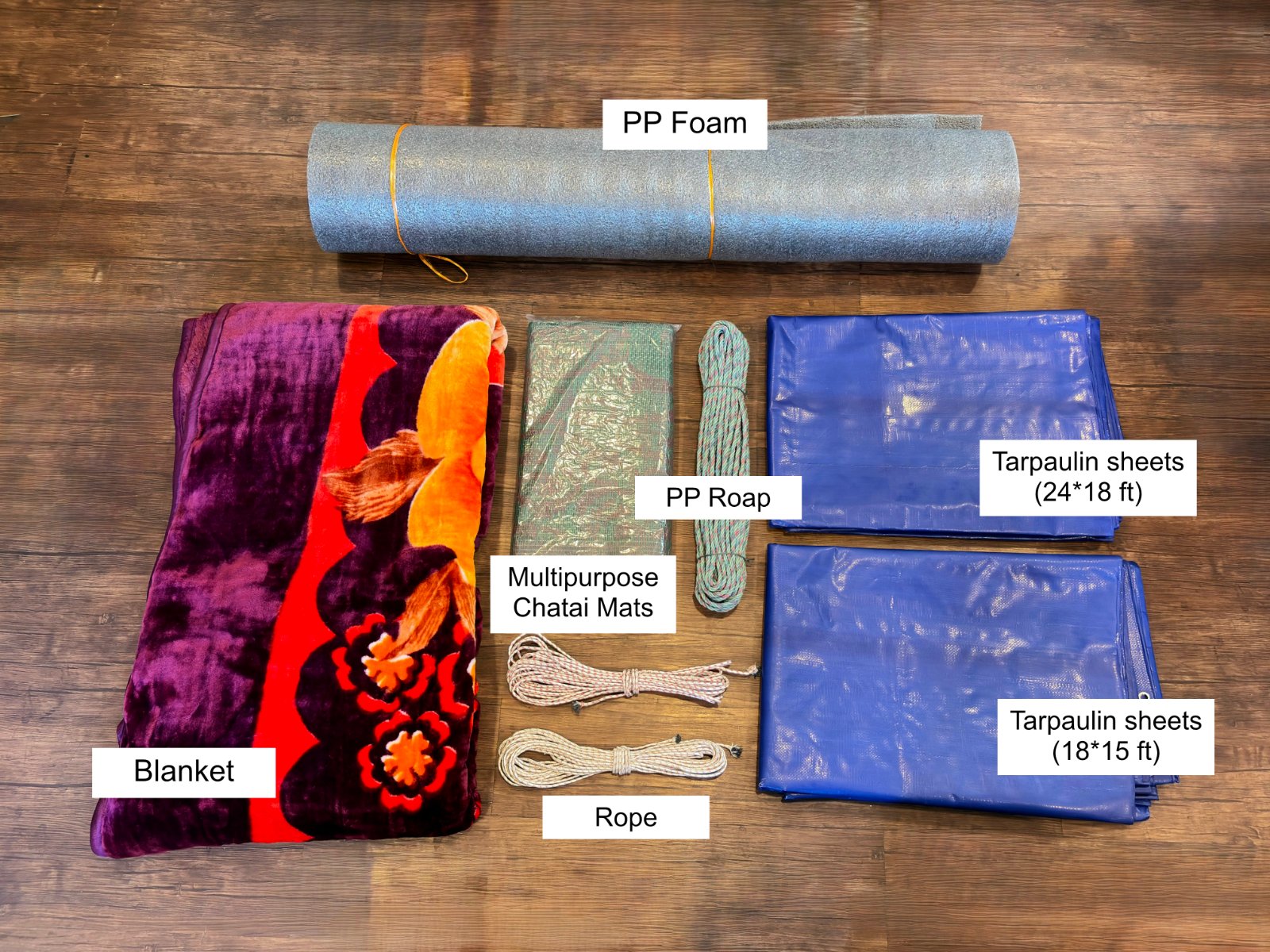
Our first Emergency Shelter Kits left for Rasuwa on 30 August, four days after the flood. Each kit gives a family the materials and tools to put up a safe temporary shelter or weatherproof a damaged home. We distributed 495 ESKs in Uttargaya Rural Municipality, Rasuwa, and 18 ESKs in Gandaki Rural Municipality, Gorkha. That makes 513 households in total. Distribution was based on household verification and community consultation with ward and municipal offices, so the families who needed cover most urgently were reached first. Local NGO and community volunteers helped with assessment and distribution.

Emergency Shelter Kits Checklist

WHAT’S IN THE KIT

  • Tarpaulin sheets (18×15 ft)
  • Tarpaulin sheets (24×18 ft)
  • PP Rope (5-6 mm diameter)
  • Rope (15 m laundry rope to tie the tarpaulin tight)
  • Blanket (215 x 230 cm)
  • Multipurpose Chatai Mats  (4×5 ft)
  • PP Foam (Thickness: 12mm and 2 meter per piece)

Debris clearance support

Devighat, Bidur-5, Nuwakot

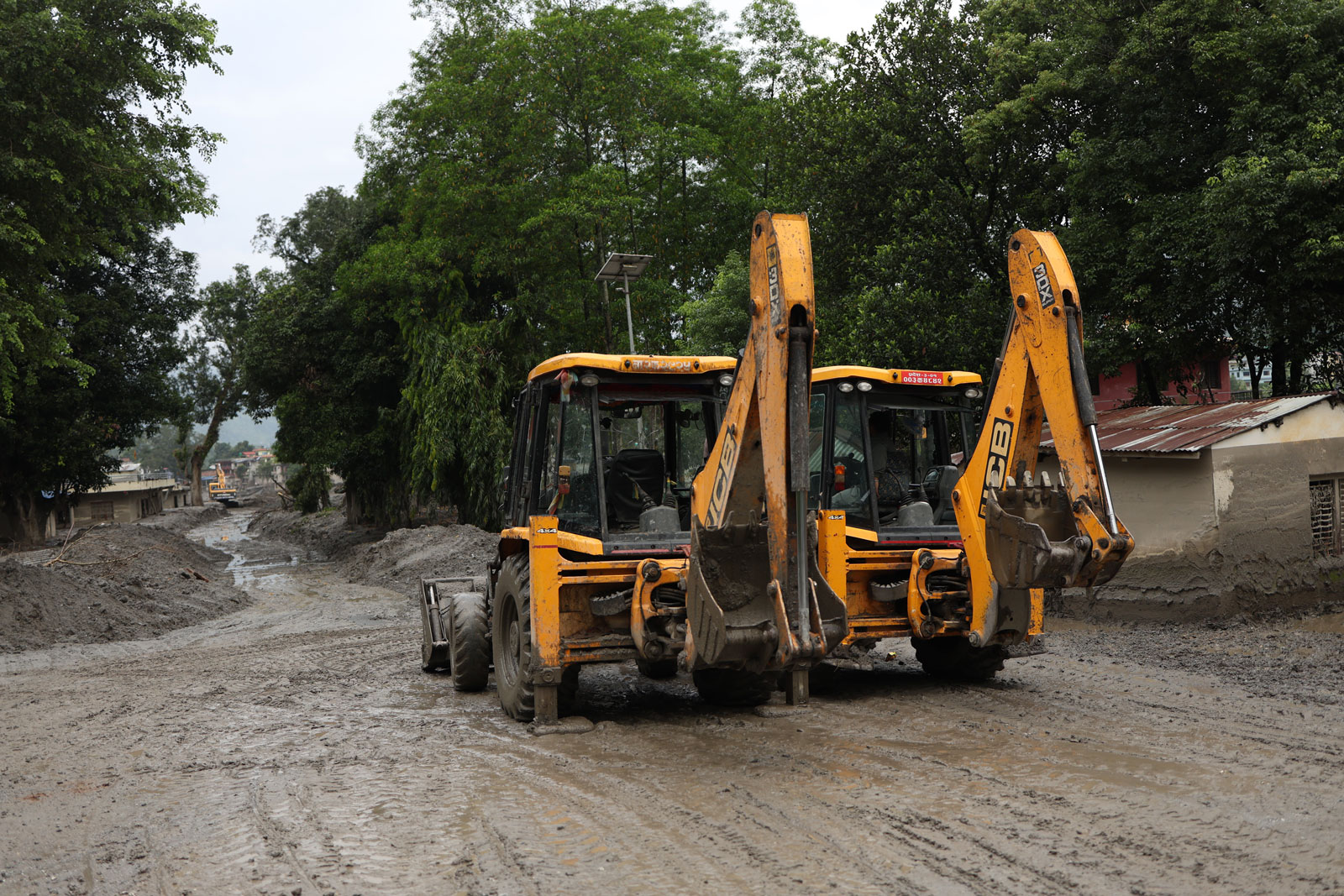
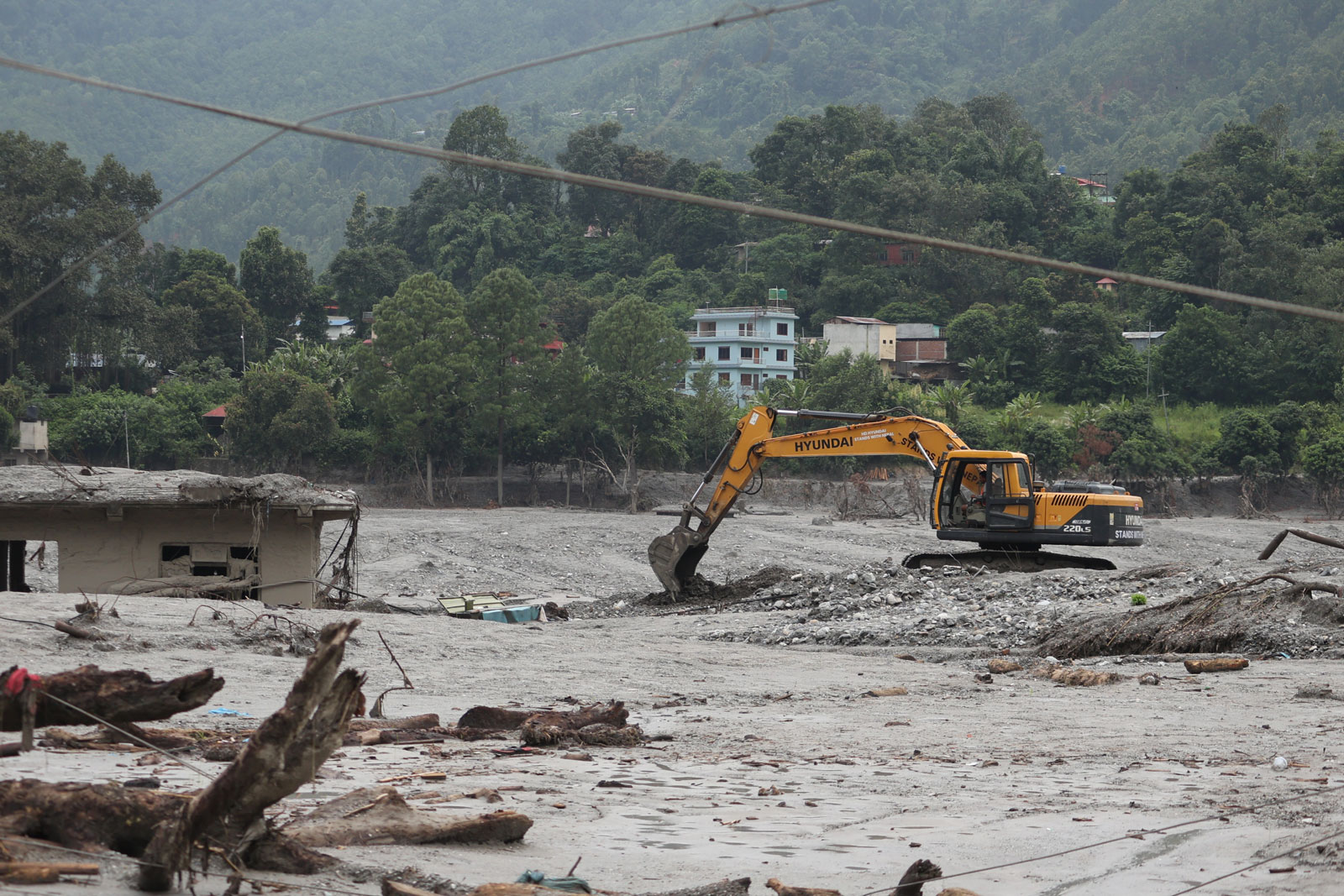
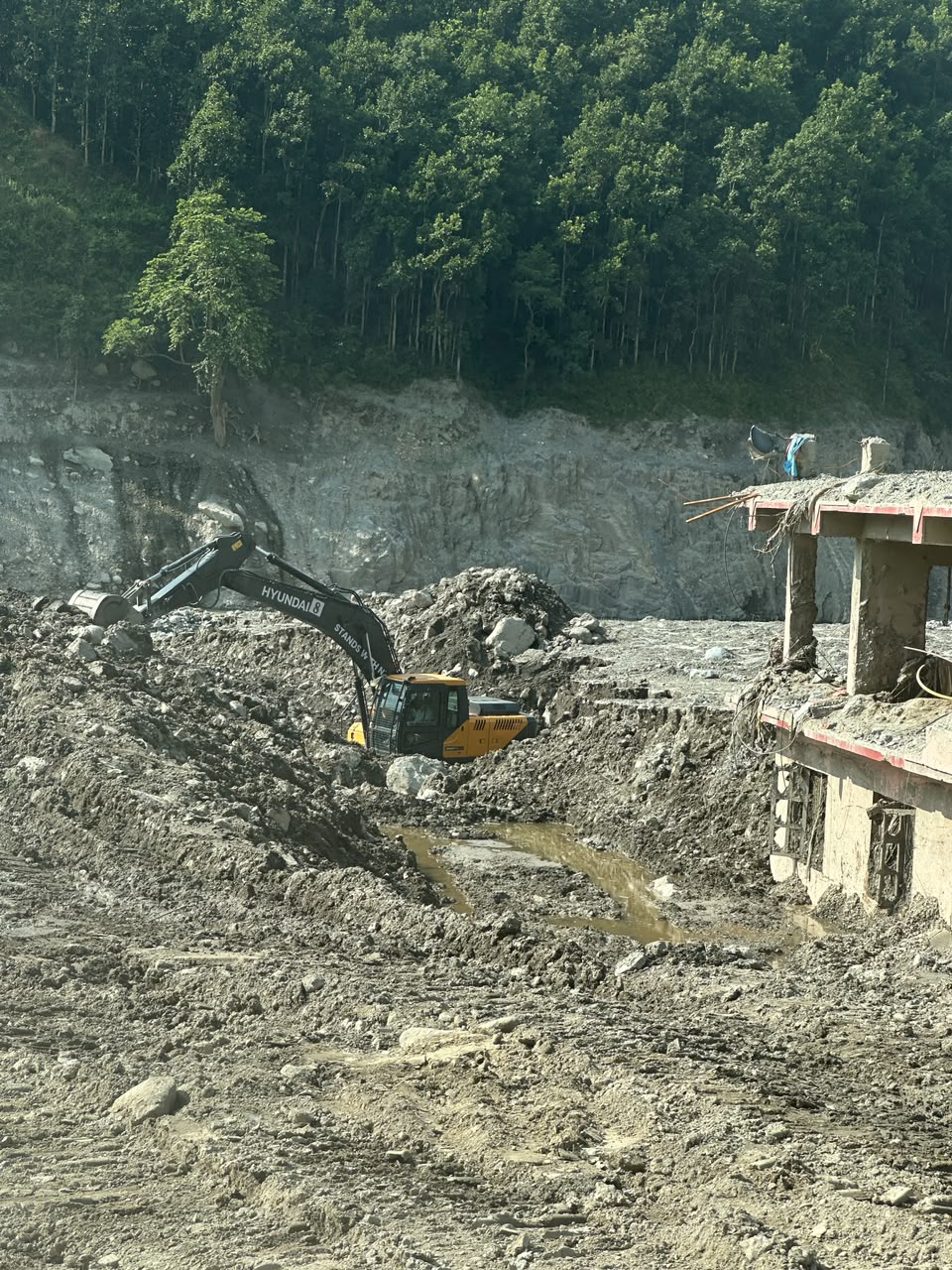
Habitat Nepal is supporting Bidur Municipality with excavator machinery to clear flood debris – helping the community take its first steps toward recovery.

~2500 tons of debris cleared so far.

Working with government and partners

Immediate shelter only works when it fits a wider recovery plan. We are:

  • Coordinating with government: working with NDRRMA, DUDBC, district and local governments, and District and Local Disaster Management Committees
  • Supporting the Nepal Shelter Cluster: as an active member, giving advisory support to DUDBC and sharing transitional shelter designs and early-recovery options
  • Working with humanitarian partners: through AIN, Habitat’s Asia-Pacific Humanitarian and Disaster Risk Reduction team, and other humanitarian and development partners
  • Delivering safely and inclusively: prioritising the most vulnerable, with safeguarding, accountability, gender and disability inclusion, and do-no-harm built into every distribution

We did this despite disrupted roads, landslide risks and difficult access. Along the way, we have connected government recovery planning with field evidence and the voices of affected families. We have also mobilised additional shelter stock, technical expertise and partnerships to expand the response.

STORIES FROM THE FIELD

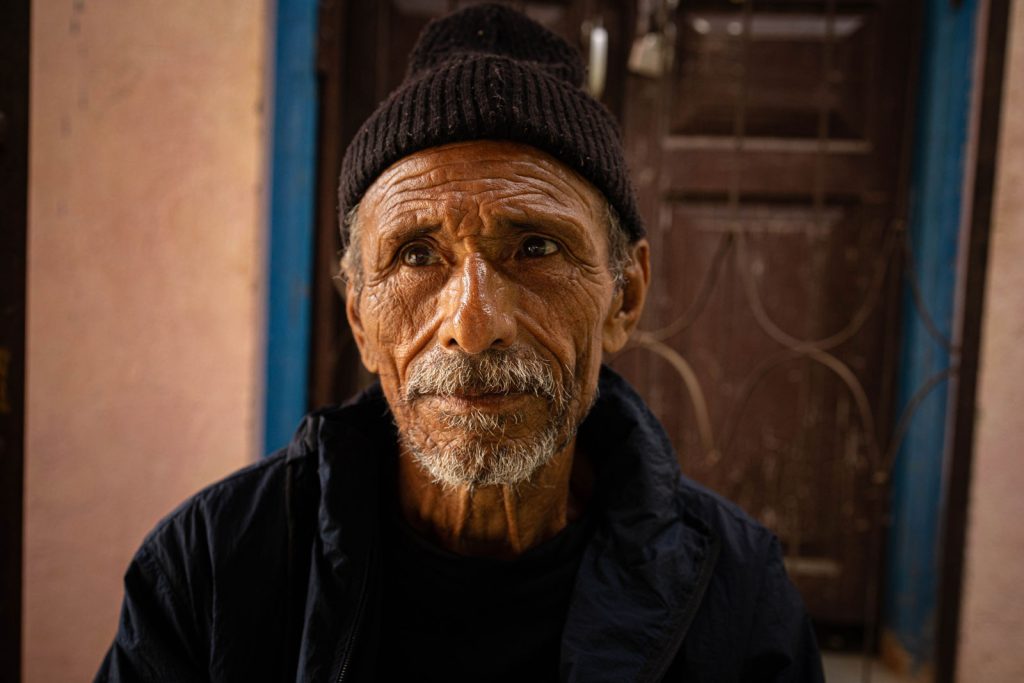
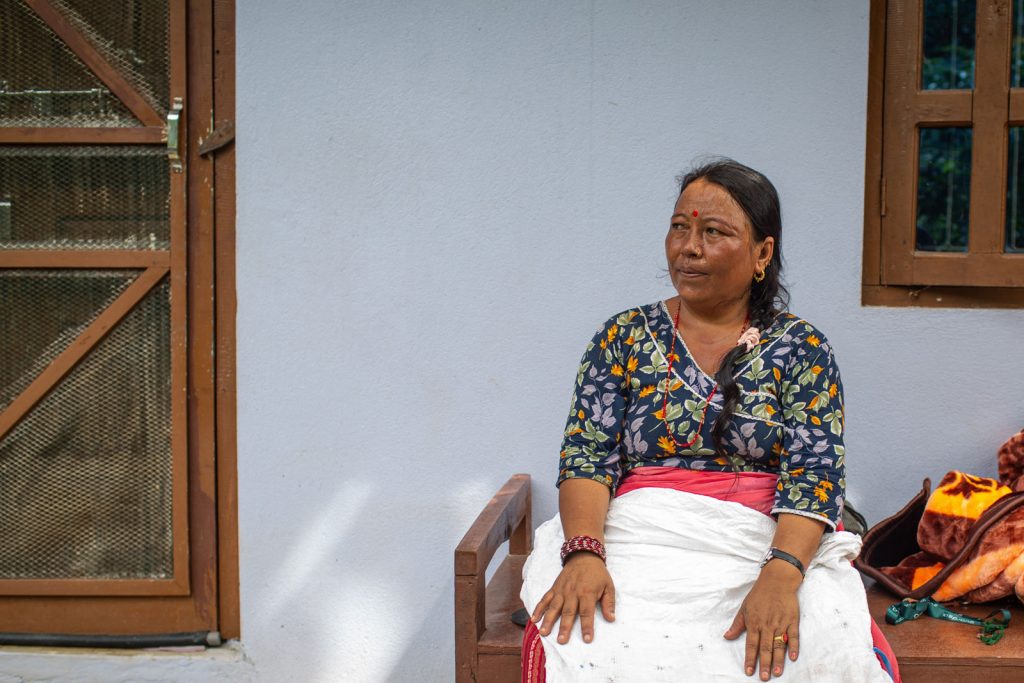
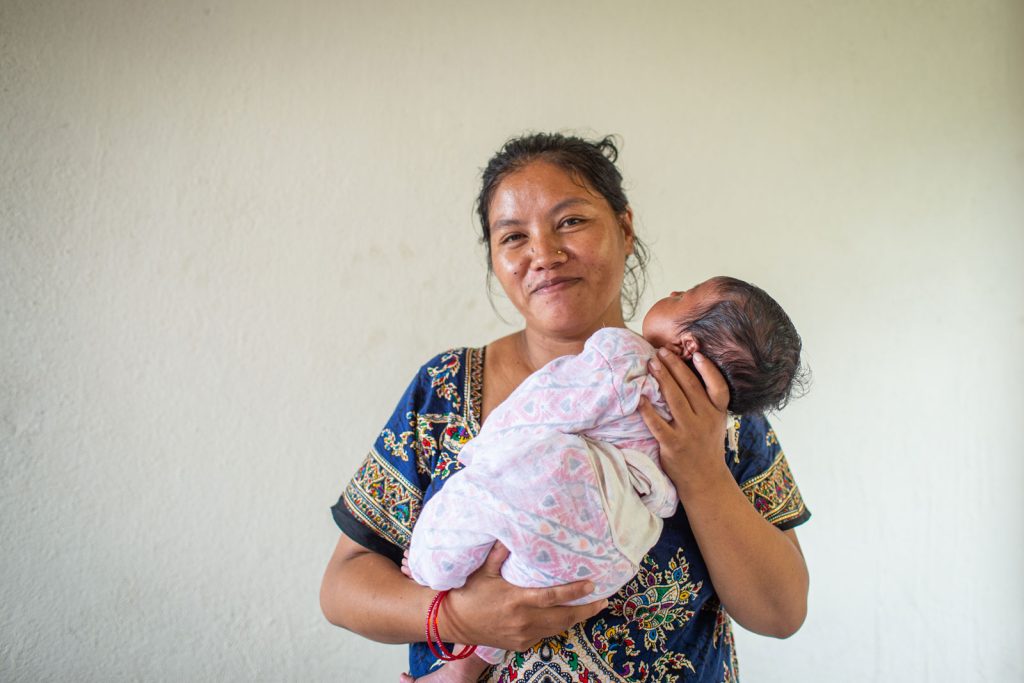
In their own words

The families we are working with, and the people on our team who are with them.

THE CHALLENGE

Crisis declared zones

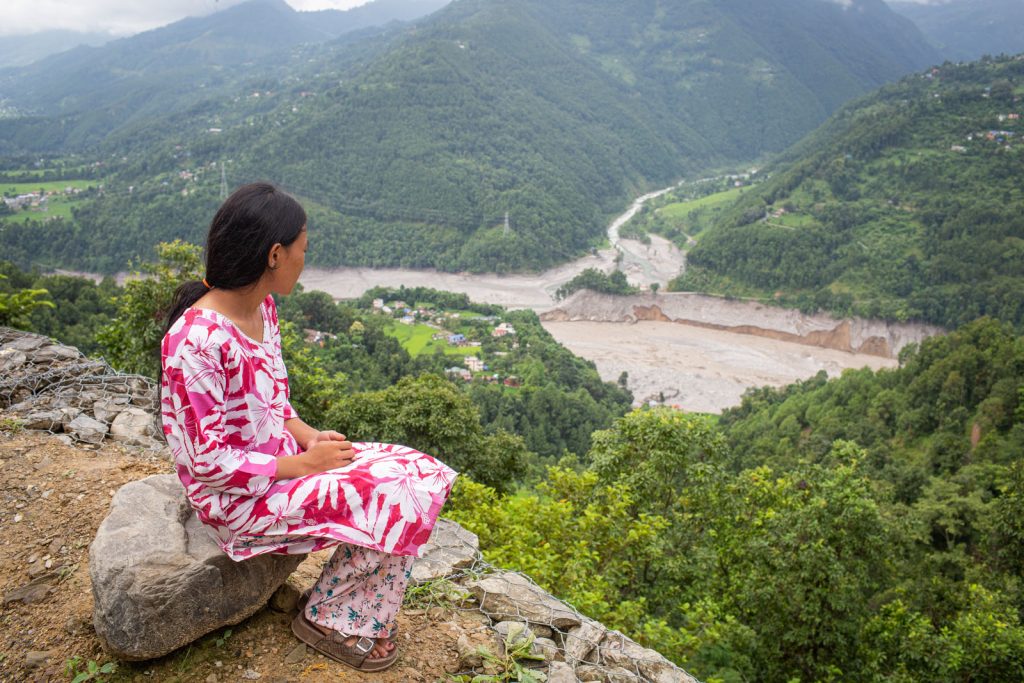
Steep, remote terrain and damaged road access shape everything about how and how quickly shelter can reach these communities.

WITH THANKS

Collaborating partners

Organizations that have supported Habitat Nepal's flash flood response.

BEFORE/ AFTER IMAGERY

Satellite view of affected areas

*Drag the divider to compare two images side by side*

Looking ahead

Immediate shelter was the starting point. We are continuing technical engagement, detailed assessment and recovery planning to help affected families move towards safer transitional shelter and resilient permanent homes. This page will keep updating with new photos, figures and progress as they’re confirmed.
© 2026 Habitat for Humanity Nepal